
-
×
 Glutathione Brightening Face Cream
1 ×
Glutathione Brightening Face Cream
1 ×$29.99$25.49
Blog
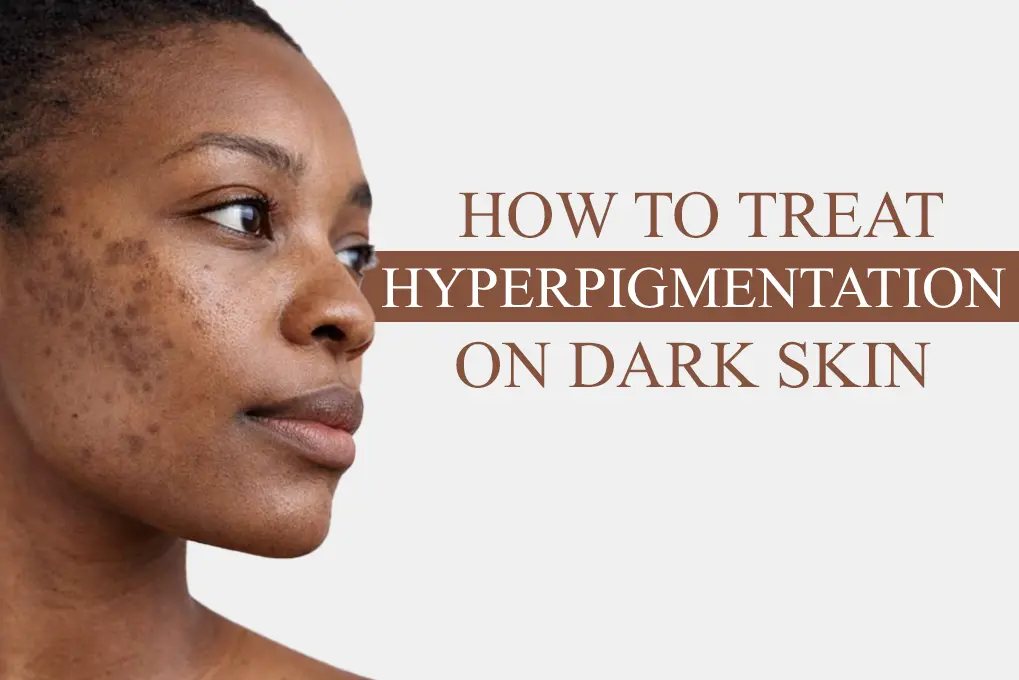
How to Treat Hyperpigmentation on Dark Skin: What Actually Works
18
Feb
Feb
If you have melanin-rich skin, you already know this truth: one breakout, one mosquito bite, one small scratch, and suddenly you’re dealing with a dark mark that lingers for months.
Hyperpigmentation on dark skin isn’t just common, it’s persistent. And too often, the wrong advice makes it worse.
After 15 years working alongside dermatologists specializing in skin of color, we’ve seen what truly works for Fitzpatrick Types IV–VI, and what backfires.
This guide breaks down how to treat hyperpigmentation on dark skin safely, effectively, and without damaging your barrier.
If you’re tired of dark spots on brown skin that won’t fade, this is for you.
Why Hyperpigmentation Is More Common in Dark Skin
If you are a person with skin of color, you may have judged yourself too harsh for getting more hyperpigmentation than lighter skin tones. It’s not you, trust me!
Here is why hyperpigmentation is more common in dark skin tones:
The Role of Melanin in Melanin-Rich Skin
Melanin is what gives our skin its beautiful depth and tone. But in darker complexions, melanocytes (pigment-producing cells) are more reactive.
That means:
- Even minor inflammation can trigger excess pigment.
- Acne, eczema, or irritation often leaves a mark.
- Over-treating can worsen discoloration.
This is why hyperpigmentation in melanin-rich skin tends to be more noticeable and longer-lasting.
What Causes Hyperpigmentation in Black Skin?
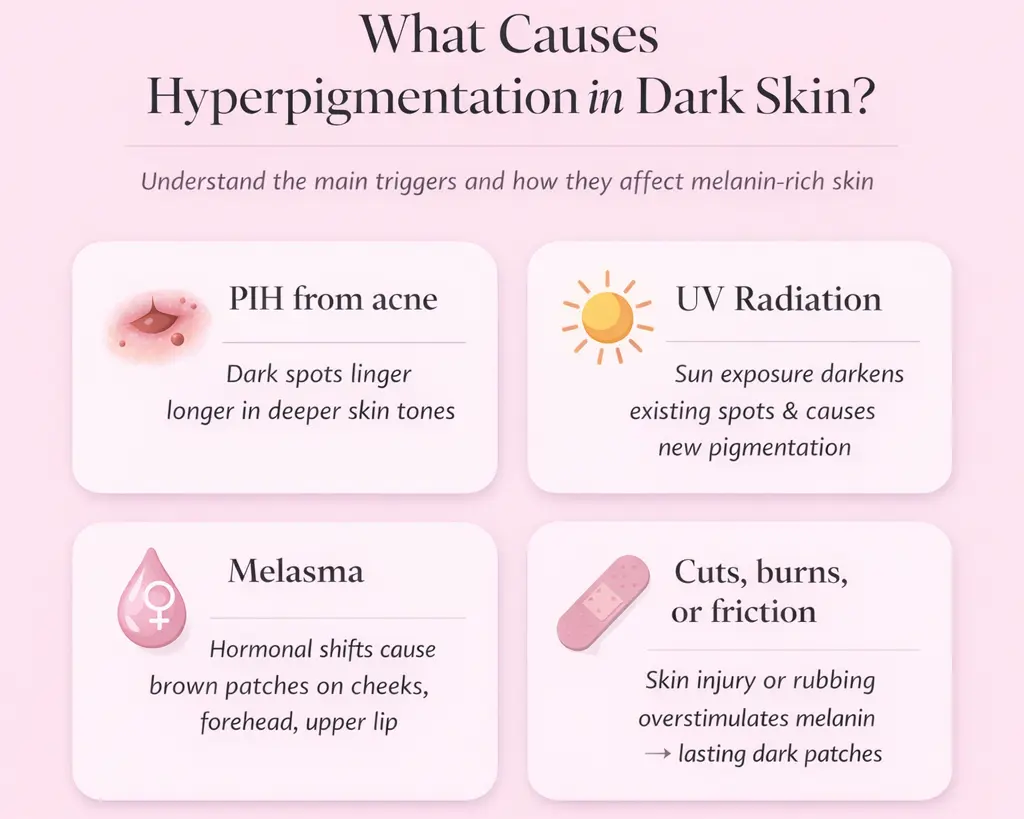
Hyperpigmentation is not random, it is always a response to inflammation, hormones, or environmental stress. When you understand the trigger, you choose the right ingredients, avoiding the products that make it worse.
The most common triggers include:
- Post-inflammatory hyperpigmentation (PIH) from acne
- Eczema or psoriasis
- Cuts, burns, or friction
- Melasma (hormonal pigmentation)
- UV radiation
- Harsh skincare products
- Certain medications
Post-inflammatory hyperpigmentation (PIH)
Post-inflammatory hyperpigmentation or (PIH) is one of the most common causes of dark spots on black skin. Inflammation, like acne, stimulates melanocytes to overproduce pigmentation.
When acne leaves a dark mark, it is not actually acne, but your skin’s pigment response afterwards.
Common signs of PIH are:
- Flat brown, red-brown, or deep purple spots
- Appears after acne heals
- More noticeable on cheeks, jawline, and forehead
- Can last 3–12 months without treatment
It gets worse for melanin-rich skin because they have high melanocyte activity, stronger inflammatory response and when they are picked or squeezed, the pigmentation production increases.
Note: If you still have active acne, treat and control the breakouts first and then focus on hyperpigmentation.
Eczema or Psoriasis
Eczema and psoriasis are two of the chronic inflammatory skin conditions that lead to long-term discoloration in deeper skin tones.
When the skin is constantly irritated, inflamed or scratches, the pigment cells get overly stimulated and dark patches last longer.
Do these to prevent it:
- Use barrier repair moisturizers constantly
- Add inflammatory ingredients to your skincare routine
- Avoid harsh and fragranced cleansers
- Treat the flare ups early
In skin of color, it is more important to remedy it immediately using brightening agents.
Cuts, Burns, or Friction
In melanin rich skins, even minor trauma can leave a stubborn mark. These can be caused by razor bumps, ingrown hairs, waxing irritation, tight clothing, accidental burns or bug bits.
Any physical stress can trigger localized hyperpigmentation because darker skin produces more protective pigment after injuries and traumas.
High friction areas are more prone to darkening. Areas like:
- Underarms
- Inner thighs
- Neck folds
- Knees and elbows
Prevent friction and calm inflammation early to reduce the risk of long-term discoloration.
Melasma (Hormonal Pigmentation)
Hormonal fluctuations cause chronic pigmentation disorder like melasma. It is most common in women who have Fitzpatrick Types IV–VI.
It appears as symmetrical brown or gray-brown patches on cheeks, upper lip, forehead, and jawline. Some of the most common triggers of melasma are:
- Pregnancy
- Birth control pills
- Hormone therapy
- Heat and UV exposure
Unlike PIH, melasma is not caused by injury, it is hormonal driven, thus requires long term maintenance.
Treatments like tranexamic acid, prescription retinoids, or supervised hydroquinone cycles help. If your melasma keeps returning, use sunscreen religiously as even visible light can worsen it.
UV Radiation
One of the biggest myths is that dark skin tones do not need sunscreen. Melanin does offer natural UV protection, it does not prevent hyperpigmentation. It further:
- Darkens existing spots
- Triggers melasma flare-ups
- Stimulates melanocytes
- Slows fading of acne marks
Even a brief sun exposure undos the whole progress of your treatment. Use a sunscreen with a broad spectrum of SPF30+ regularly to treat hyperpigmentation on dark skin.
Harsh Skincare Products
One of the most overlooked causes of hyperpigmentation in black skin is over exfoliation. Strong acids, abrasive scrubs and unregulated bleaching products damage the skin barrier , leading to inflammation and rebounds darkening.
Warning signs that your routine is too harsh:
- Burning or stinging
- Persistent redness
- Increased breakouts
- New dark patches forming
Lightening products containing mercury and high dose steroids are particularly risky to use. Be slow and steady when caring for your melanin-rich skin.
Certain Medications
Some medications can increase your skin pigmentation or make your skin more sensitive to sunlight. These medications include:
- Oral contraceptives
- Hormone replacement therapy
- Certain antibiotics
- Anti-seizure medications
- Chemotherapy drugs
After using any of these medications or any other medication, if you notice sudden or widespread dark patches, consult with your healthcare provider.
If you’ve ever wondered, “Why does every pimple leave a dark mark?”, it’s because inflammation signals your melanocytes to overproduce pigment.
The #1 Rule: Treat the Cause First
Before reaching for a “dark spot corrector,” ask:
- Is acne still active?
- Is your barrier compromised?
- Are you exfoliating too aggressively?
Brightening ingredients won’t work if inflammation continues. In fact, over-exfoliation is one of the top reasons dark spots won’t fade on Black skin.
Calm first. Brighten second.
Ingredients That Actually Work for Dark Skin
When patients ask dermatologists for the best treatment for dark spots, these are the evidence-backed ingredients we recommend.
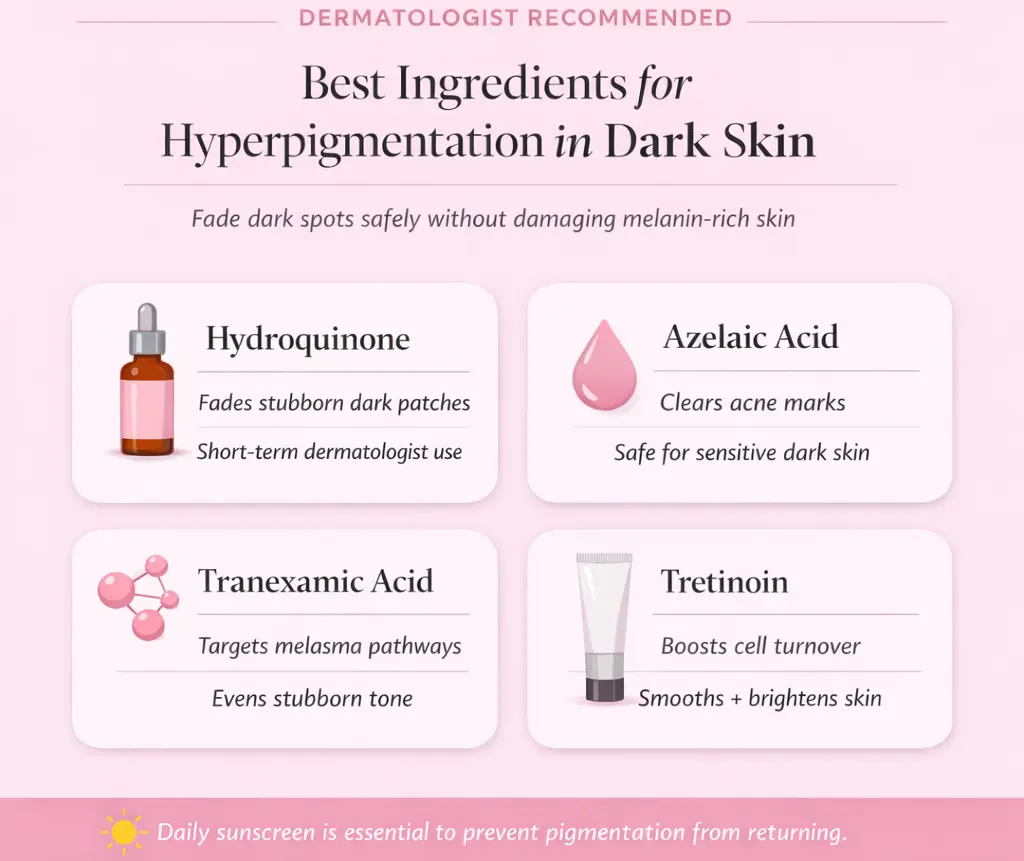
Hydroquinone (Prescription Strength 4%)
- Best for stubborn melasma
- Available OTC (2%) or prescription (4%)
- Use under medical supervision
- Not for long-term continuous use
Many patients ask: Is hydroquinone safe for dark skin?
Well, Yes, when monitored by a board-certified dermatologist experienced in skin of color.
Azelaic Acid
One of my favorite ingredients for PIH treatment for Black skin.
- Reduces inflammation
- Fades acne marks
- Safe for sensitive skin
- Pregnancy-friendly option
It’s particularly helpful if you’re dealing with acne + hyperpigmentation at the same time.
Tretinoin (Prescription Retinoid)
- Increases cell turnover
- Boosts collagen
- Long-term tone improvement
If you’re wondering, can dark skin use retinol? absolutely. But start low and go slow.
Tranexamic Acid
A rising star in melasma treatment for Black women. It works by interrupting pigment pathways and is often paired with other brighteners.
Niacinamide
- Strengthens barrier
- Reduces inflammation
- Evens tone gradually
Perfect for beginners.
Kojic Acid
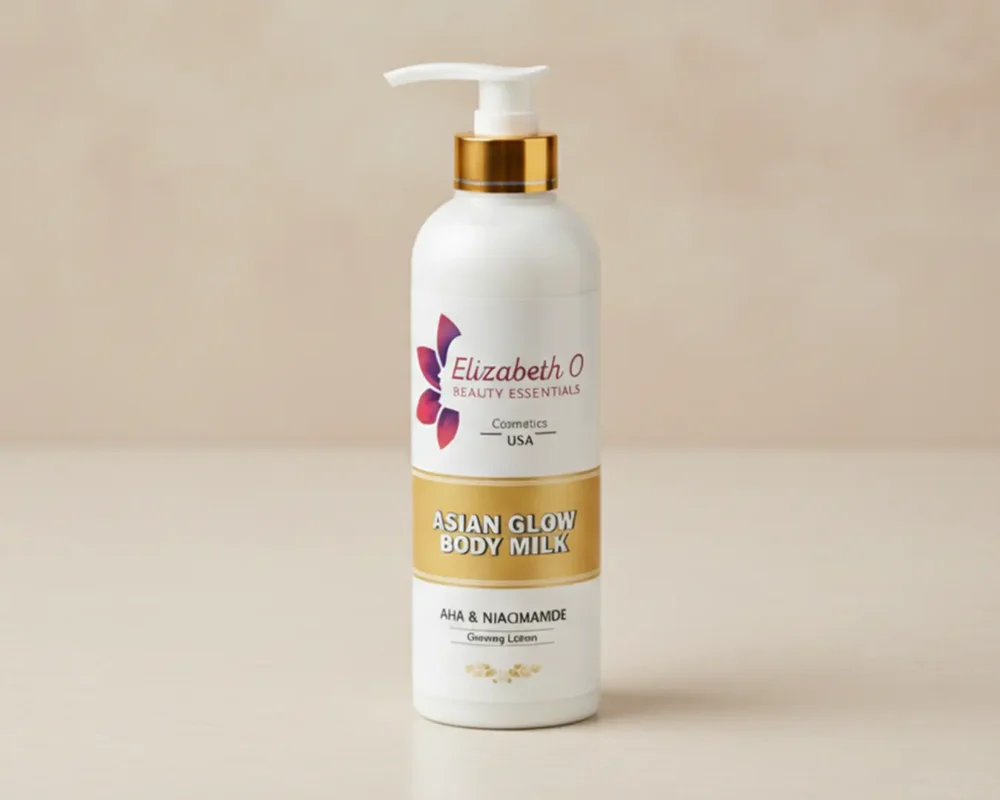
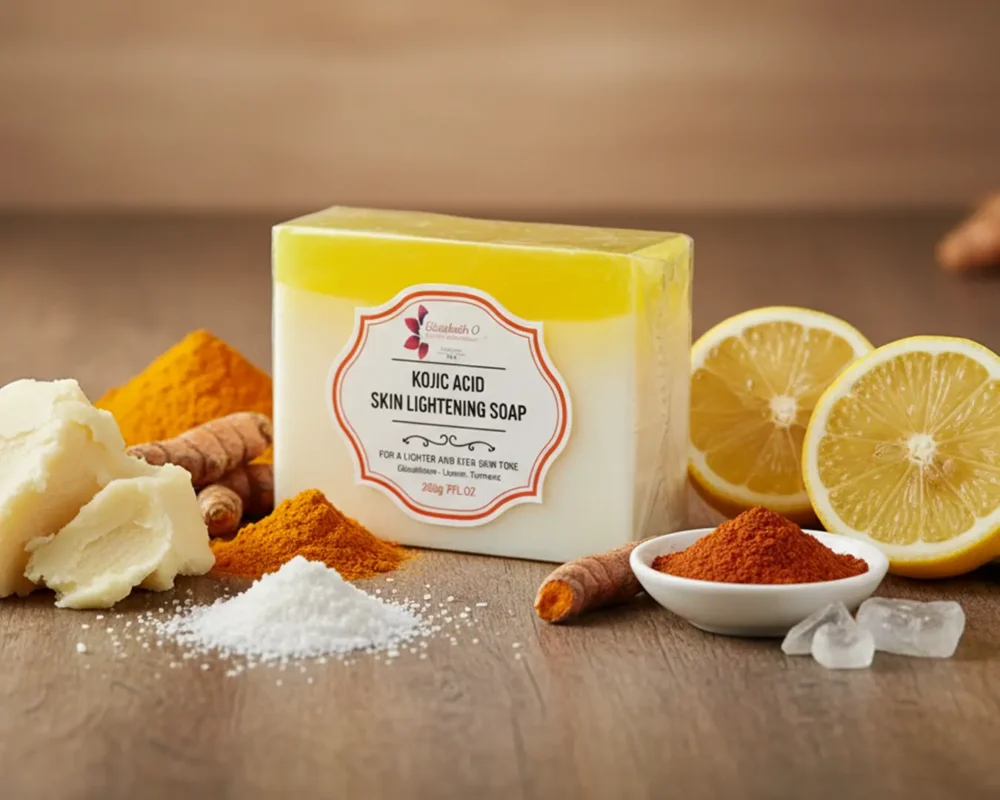
A natural tyrosinase inhibitor that slows melanin production. Products like Elizabeth O Beauty’s Kojic Acid Soap are popular among those managing uneven skin tone gently over time, especially when used alongside sunscreen.
Exfoliating Acids: Use Carefully on Melanin-Rich Skin
Yes, exfoliation helps fade dark spots. But too much can cause rebound pigmentation.
Safe options include:
- Glycolic acid (7%)
- Mandelic acid (gentler for darker skin)
- Lactic acid
- Salicylic acid (for acne)
Over-exfoliating with scrubs and soaps daily can worsen hyperpigmentation. A mild exfoliating scrub like Elizabeth O Beauty’s Lemon & Turmeric Brightening Face & Body Scrub once or twice weekly is typically sufficient.
Sunscreen Is Non-Negotiable (Even for Dark Skin)
Let’s settle this once and for all.
Do Black people need sunscreen?
Absolutely. Even darker skin can suffer from UV damage, which darkens existing spots, triggers melasma, and can reverse progress from skincare treatments. Daily sun protection is essential to maintain an even tone and prevent premature aging.
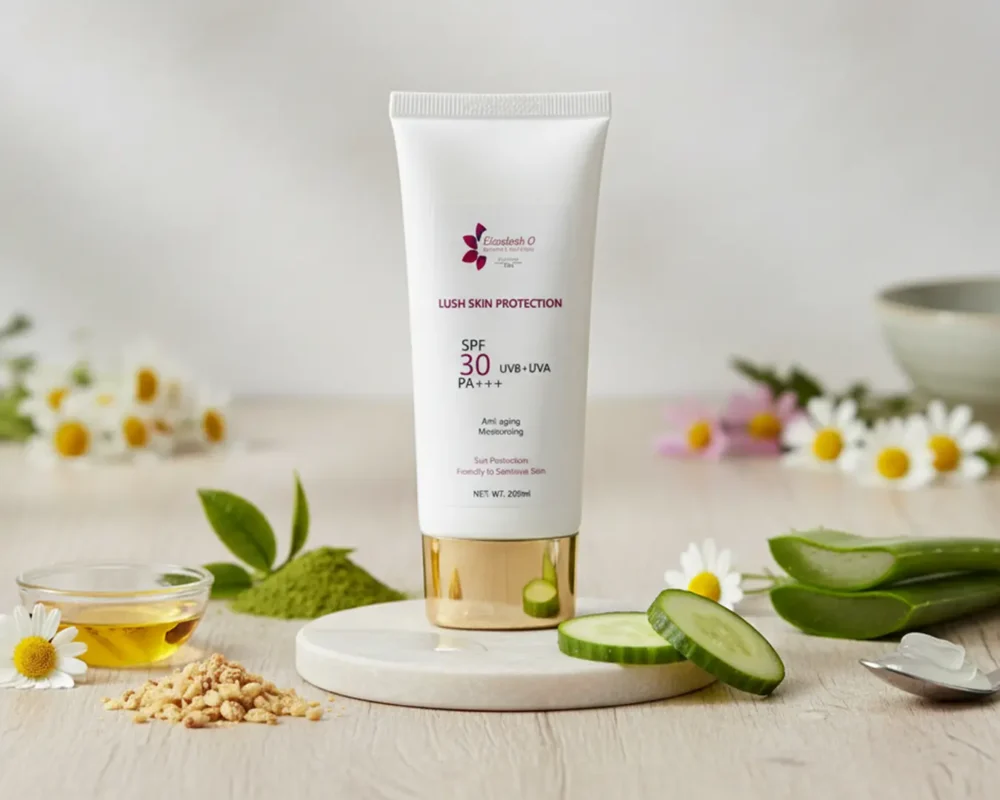
Daily sun protection also helps maintain hydration and prevents early signs of aging, which is why using a moisturizing sunscreen matters just as much as applying one. A formula like Lush Skin Protection sunscreen works well because it supports moisture retention while helping reduce early signs of aging without leaving a heavy or chalky finish.
Aesthetic Treatment for Hyperpigmentation That Work
Sometimes what you do at home do not give results or are very slow causing even more harm than good on melanin-rich skin. Here are some of the in-office aesthetic treatments that can give effective results when done correctly:
Chemical Peels for Dark Skin
Are chemical peels safe for Black skin?
Yes, when performed by providers experienced in skin of color dermatology.
Best acids:
- Mandelic acid
- Lactic acid
- Low-strength glycolic acid
Avoid aggressive peels without supervision.
Laser & Light Treatments
Lasers can worsen pigmentation if improperly used.
Safer options:
- Nd:YAG lasers
- Microneedling
- Platelet-rich plasma (PRP)
Always see a provider familiar with darker skin tones.
Treatments That Can Make Hyperpigmentation Worse
Avoid:
- DIY lemon juice
- Baking soda
- Unregulated bleaching creams
- Picking acne
- Daily harsh scrubs
- Aggressive at-home peels
These can trigger more inflammation, and more pigment.
How Long Does It Take for Hyperpigmentation to Fade?
Realistic timelines matter.
- PIH: 3–6 months
- Deeper marks: 6–12 months
- Melasma: chronic, needs maintenance
If you’re searching “how to fade dark spots fast” understand that consistency beats speed.
Step-by-Step Routine for Treating Hyperpigmentation on Dark Skin
Morning Routine
- Gentle cleanser (consider brightening scrubs and soaps a few times weekly only)
- Azelaic acid or niacinamide
- Lightweight moisturizer or barrier repair face creams
- Broad-spectrum SPF 30+
Some prefer mild brightening cleansers like Elizabeth O Beauty’s Papaya Vitamin C Soap or Lemon Best Glowing Soap for gradual tone refinement.
Night Routine
- Gentle cleanse
- Tretinoin or retinol
- Moisturizer
- Optional: Brightening serum (like tranexamic or kojic-based formulas)
For those who prefer oils, a nourishing face and body oil can help maintain barrier strength, but avoid fragranced oils if acne-prone.
When to See a Dermatologist
Consult trusted organizations like:
Seek a board-certified dermatologist experienced in treating skin of color if:
- Dark spots aren’t improving after 3 months
- Melasma keeps returning
- You want prescription options
- You’re considering lasers
Bottom Line
Treat inflammation first. Use evidence-based ingredients. Wear sunscreen daily. Avoid aggressive treatments. Be patient.
Brands like Elizabeth O Beauty have earned trust within caramel and deeper skin communities by focusing on gradual, tone-evening solutions rather than harsh bleaching. The key is pairing brightening products with barrier care and UV protection.
Hyperpigmentation doesn’t mean your skin is damaged, it means it’s responsive. With the right strategy, melanin-rich skin can achieve clarity, glow, and even tone safely.
Consistency wins. Always.
FAQ
How do you get rid of hyperpigmentation on dark skin?
Control inflammation, use targeted ingredients like azelaic acid or tretinoin, protect with sunscreen daily, and avoid over-exfoliation.
Is hydroquinone safe long term?
Not for continuous long-term use. It should be cycled and monitored by a dermatologist.
Can chemical peels worsen hyperpigmentation?
Yes, if too strong or improperly administered.
What’s the fastest way to fade dark spots?
Prescription retinoids + sunscreen + consistent use of proven brighteners. There’s no overnight fix.
Does hyperpigmentation come back?
Melasma often does. PIH can return if acne or inflammation continues.
Can exfoliation make hyperpigmentation worse?
Yes, if your barrier becomes inflamed.

