

Ashy legs five minutes after lotion. Rough knees that never seem to match the rest of your glow. Back acne that leaves dark marks long after the breakout is gone. Underarms that look a shade deeper than the rest of your skin.
If you’re cleansing daily and still dealing with texture, uneven tone, or dryness, you’re not doing anything wrong. You’re just missing one step. Cleansing removes dirt, sweat, and oil. It does not remove the layer of dead skin cells sitting on top of your skin.
That buildup is what causes:
- Ashiness
- Rough texture
- Dull tone
- Clogged pores
- Ingrown hairs
- Stubborn dark areas
What is a Body Scrub
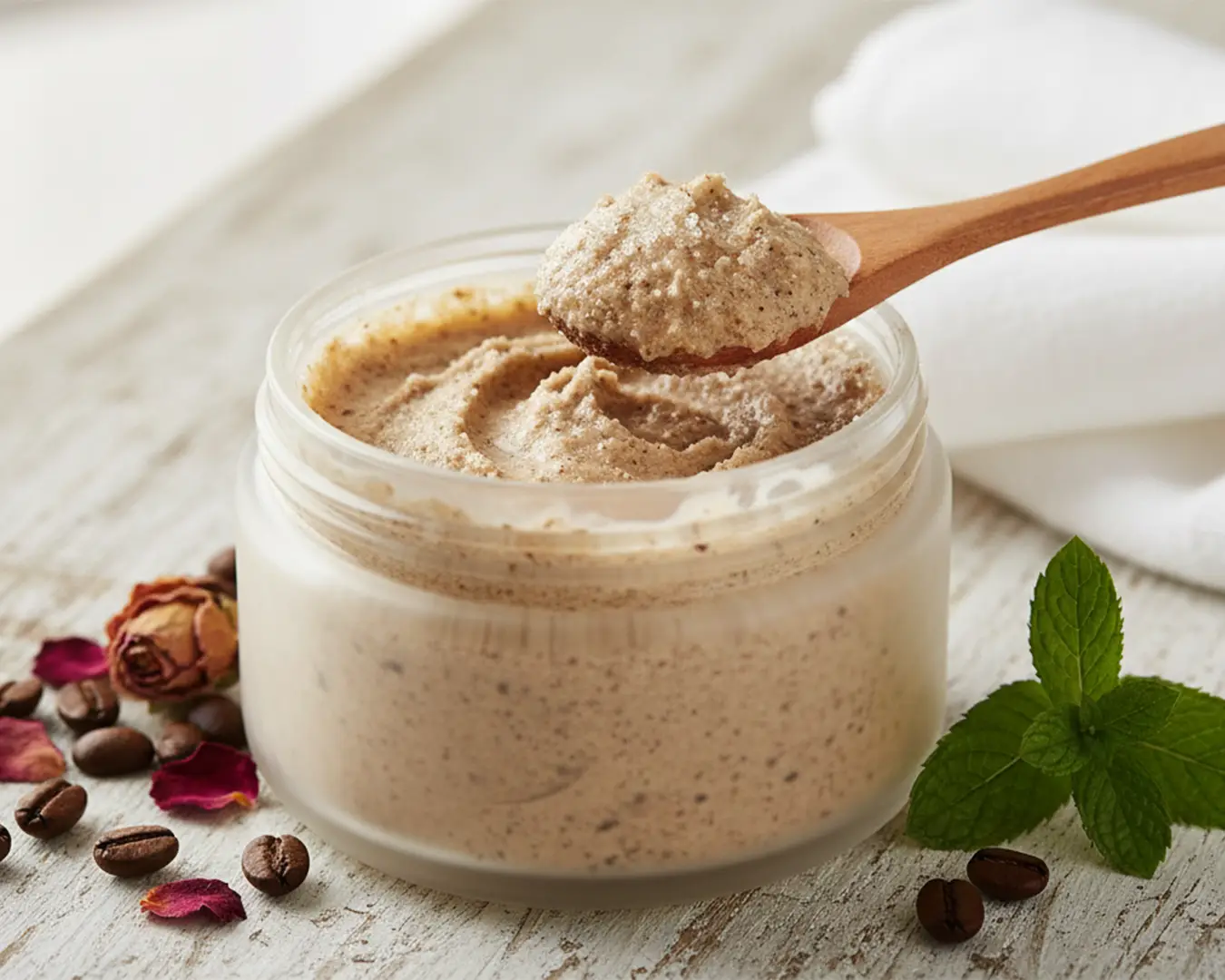
A body scrub is a physical exfoliator made with granular particles like sugar, salt, or coffee that removes dead skin cells and improves skin texture. These particles manually lift away surface buildup, helping your skin feel smoother and look more even.
Unlike cleansers, scrubs are designed to polish the top layer of skin. Think of them as a reset button for rough areas.
What Does a Body Scrub Do?
A body scrub works as a form of mechanical exfoliation. It physically loosens and lifts away that layer of dead, heaped-up skin cells your cleanser leaves behind, targeting the outermost layer of your skin known as the stratum corneum. This is also why conditions like keratosis pilaris, those small bumpy patches on the arms or thighs, tend to respond well to regular scrubbing. Once that surface layer is cleared, your pores are less likely to stay congested, rough patches soften, and your skin tone starts to look more even overall.
A body scrub:
- Loosens and removes dead skin cells
- Helps unclog pores
- Softens rough patches
- Improves product absorption
- Supports a more even-looking tone
Body Scrub vs Body Wash
A body wash (or one of your regular Shower Gels) cleans sweat, oil, and bacteria.
A scrub physically removes buildup sitting on top of the skin.
If you’ve ever wondered about the difference comes down to cleansing agents and skin feel. But neither replaces exfoliation.
Physical vs Chemical Exfoliation
- Physical Exfoliation: Uses particles (sugar, salt, coffee).
- Chemical Exfoliation: Uses acids like AHA to dissolve dead skin cells.
Both can be effective. The key is protecting your skin barrier. Over-exfoliating, especially on melanin-rich skin, can trigger inflammation and worsen post-inflammatory hyperpigmentation (PIH).
Why Body Scrubs Matter in Modern Skincare
For years, body care was an afterthought. Face routine? Five steps minimum. Body routine? Soap and lotion.
But melanin-rich skin often shows texture and uneven tone more visibly on the body. Dead skin buildup can make knees look darker, elbows feel thick, and legs appear dull even when moisturized.
Exfoliation isn’t about perfection. It’s about maintenance.
The American Academy of Dermatology explains that exfoliation removes dead skin cells from the surface, which can improve texture and help prevent clogged pores. When done correctly, it supports smoother, healthier-looking skin.
For women dealing with body acne, shaving bumps, or hyperpigmentation, body scrubs aren’t extra. They’re foundational.
Benefits of Body Scrub
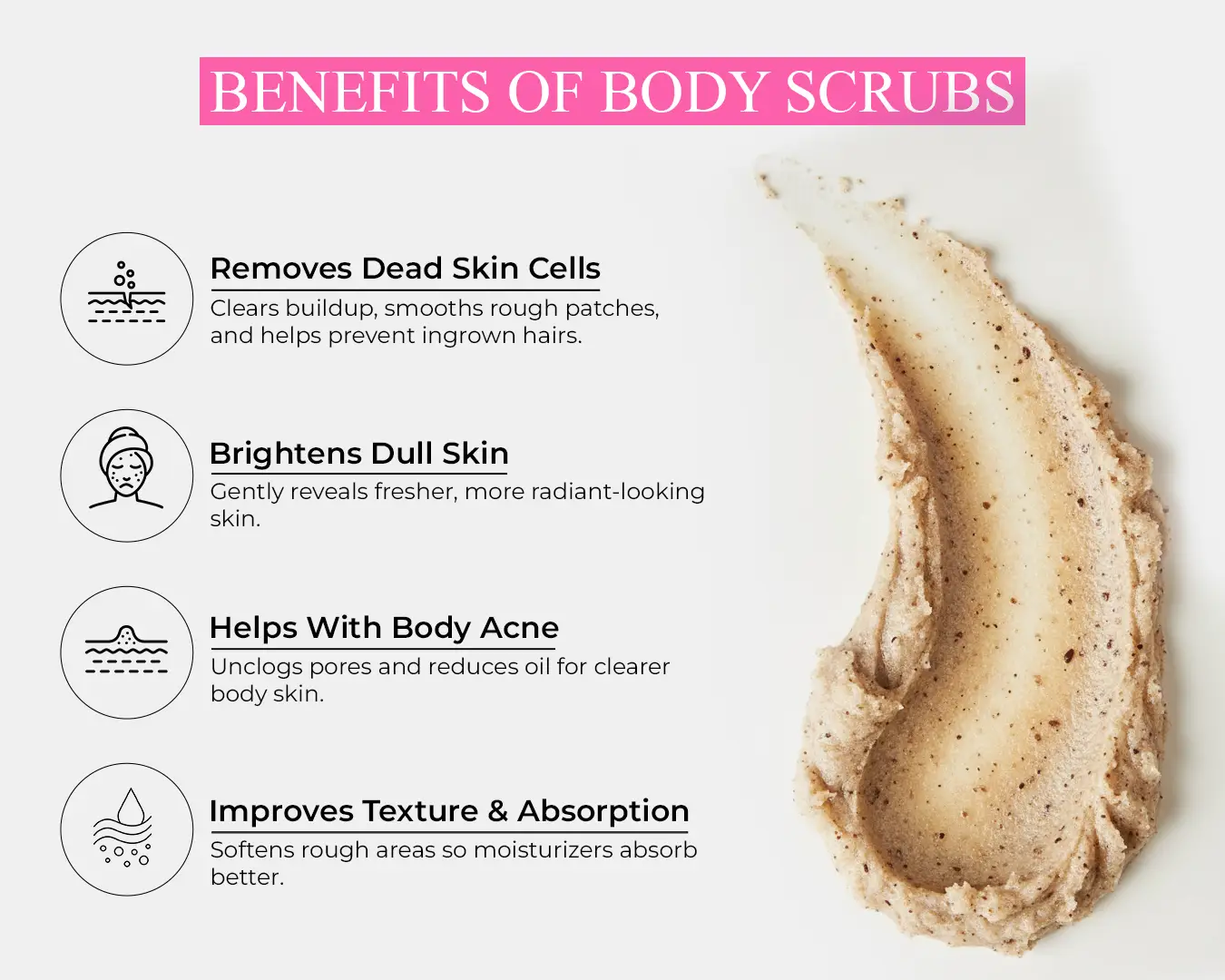
If you are not convinced yet, we are going through all the benefits of body scrubs, so that you don’t miss out. A body scrub:
1. Removes Dead Skin Cells
Dead skin doesn’t shed evenly on everyone. On brown and black skin, buildup can show up as:
- Ashy patches
- Flakiness
- Thick elbows
- Rough knees
- Ingrown hairs
A textured exfoliant like the coffe can help with deeper buildup on areas like heels and legs.
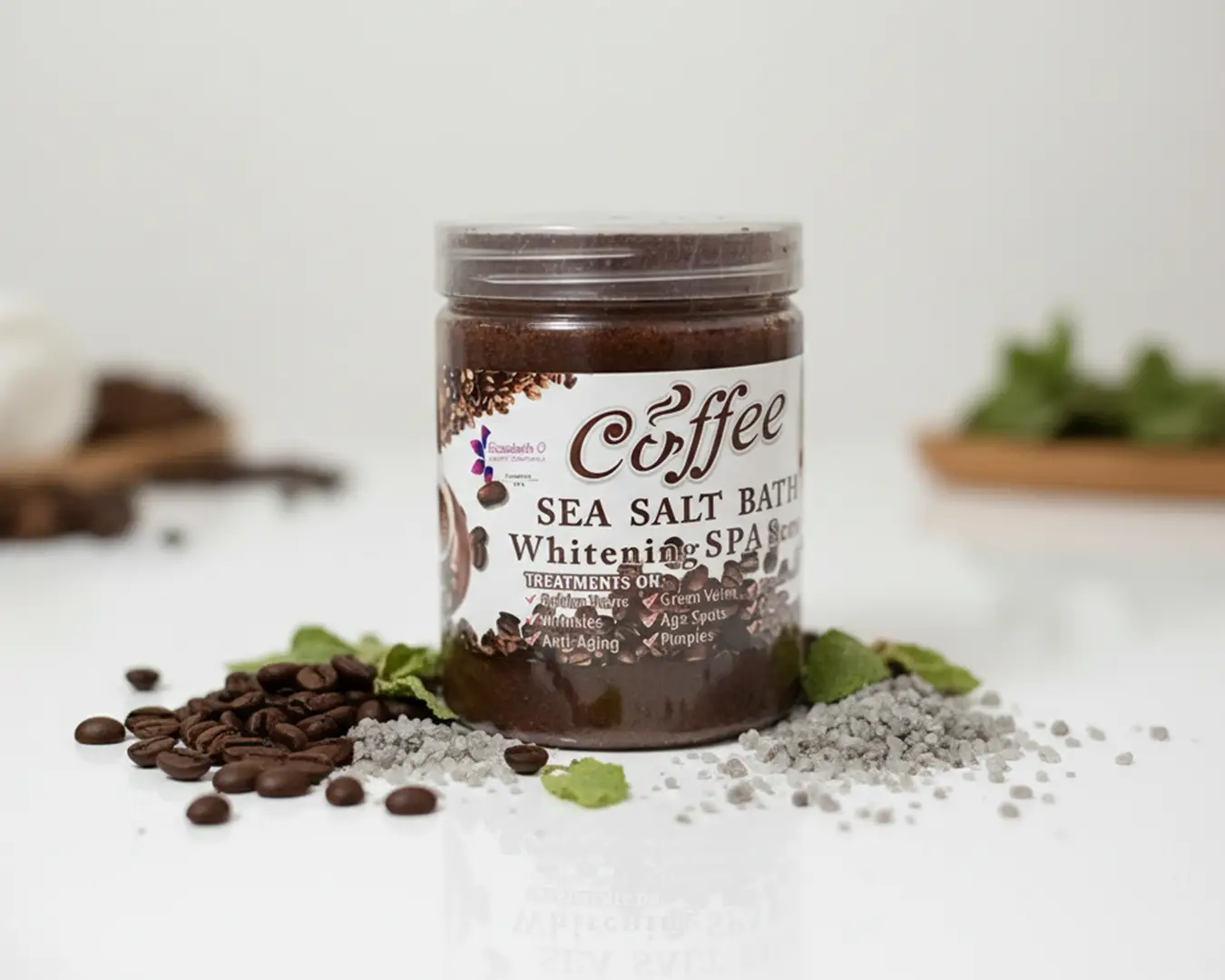
This is especially helpful before shaving to reduce trapped hairs.
2. Brightens Dull Skin
When skin looks dull, it’s often not about color; it’s about buildup.
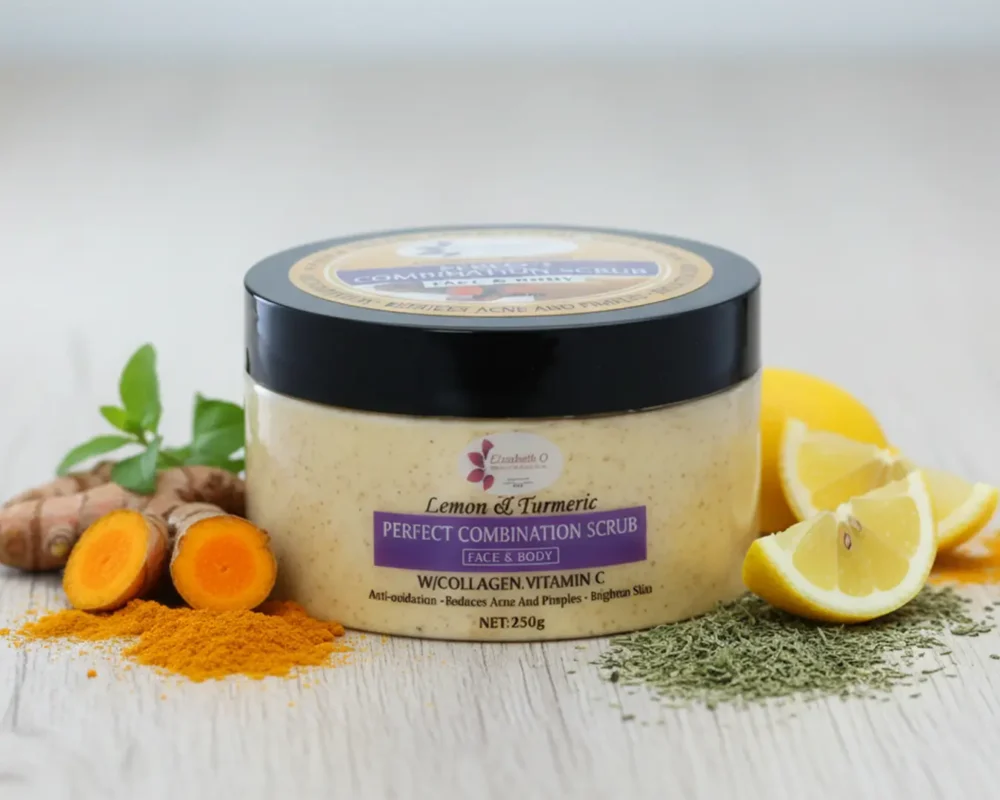
For melanin-rich skin, gentleness matters. Aggressive scrubbing can cause micro-inflammation, increasing the risk of PIH. Slow and consistent is always better than harsh and fast.
3. Helps With Body Acne
Back acne and chest acne are common, especially in warmer months.
Exfoliation can help:
- Clear clogged pores
- Reduce oil buildup
- Minimize rough texture
But here’s the nuance: never scrub active, inflamed acne aggressively. That can spread bacteria and deepen dark marks.
Look for anti-inflammatory ingredients and use light pressure. Remember, PIH often lasts longer than the breakout itself.
4. Improves Skin Texture
Some areas naturally build thicker skin:
- Knees
- Elbows
- Ankles
- Feet
Regular exfoliation helps soften these areas. It can also help reduce the appearance of shaving bumps when used before hair removal.
5. Boosts Absorption of Skincare
If your lotions feel like they sit on top of your skin, buildup may be blocking absorption.
Exfoliation allows moisturizers to penetrate more effectively. This is especially helpful during colder months when you’re layering thicker creams or using the best oils for winter hydration.
Smooth skin absorbs better. Period.
6. Evens Skin Tone
Uneven tone on the body often shows up as:
- Dark knees
- Dark underarms
- Inner thigh discoloration
- Old acne marks
While exfoliation alone won’t erase hyperpigmentation, it supports ingredients like:
- Alpha Arbutin
- AHA
By removing surface buildup, these ingredients can work more effectively. Consistency is key. Overdoing it will only delay results.
7. Reduces Ingrown Hairs
Most ingrown hairs aren’t really about the blade or the wax. They start earlier than that, with dead skin sealing the follicle shut before you even pick up the razor. Scrub the area the day before shaving or waxing, and that path stays open, so the hair actually grows out instead of curling back under the surface.
8. Helps Self-tanner Apply Evenly
Patchy tan, orange knees, streaky ankles- none of that is usually a technique problem. It’s buildup soaking up the product unevenly. Exfoliate a day or two before you tan, and you’re giving it a flat, honest surface to grab onto, which also means it fades evenly instead of turning blotchy by day four.
9. Eases Keratosis Pilaris Bumps
Those small rough bumps on the backs of arms and thighs are really just clogged hair follicles, and they respond well to regular, gentle physical exfoliation over time. This one takes patience, though. You won’t see much change after one shower. It’s the people who keep at it week after week who notice the texture actually softening.
10. Cuts Down On Friction-related Dark Patches
Inner thighs, underarms, anywhere that rubs against clothing or skin all day- these spots build up dead skin faster than the rest of the body, and that’s a big part of why they end up looking darker or rougher over time. Keep exfoliating there regularly, and you stop that cycle before it has a chance to settle in.
Types of Body Scrub
Not every body scrub is right for every person. The best choice depends on your skin type, the area you’re treating, and what you’re hoping to improve. A scrub can make a noticeable difference if you’re dealing with rough elbows, dull legs, dry patches, or bumpy arms. On the other hand, if your skin is sunburned, broken, or has inflamed acne, it’s usually better to let it heal before exfoliating.
The American Academy of Dermatology (AAD) advises choosing an exfoliation routine based on your skin type and the exfoliation method you use. In general, dry or sensitive skin benefits from less frequent exfoliation, while oilier or more resilient skin can usually tolerate it more often.
Keep in Mind
Be gentle when exfoliating your skin to help avoid irritation and protect your skin barrier.
Source: American Academy of Dermatology (AAD)
Keeping that advice in mind, here’s a look at the different types of body scrubs and what each one is best suited for.
By Exfoliating Ingredient
Every ingredient does something a little different, so here’s the quick rundown of what’s out there:
Sugar Scrubs
Sugar melts faster and sits softer than salt, which is why it’s usually the first scrub people reach for. It buffs away dead skin while pulling in moisture at the same time, so it rarely leaves skin feeling tight afterwards. This is a good example of this, gentle enough for regular use, with a bit of brightening built in.
Salt Scrubs
Salt crystals are rougher than sugar, which is exactly why they’re better saved for knees, heels, and feet rather than anywhere thin-skinned. That coarser texture gives skin a tighter, more refreshed feel right after rinsing. This leans into that intensity, which is where coffee comes in.
Coffee Grounds Scrubs
Coffee does two jobs at once. The grounds buff away roughness while the caffeine is thought to briefly tighten skin’s appearance and support circulation. It works best on legs, arms, and anywhere that sees regular buildup, not on anything delicate or freshly shaved.
Walnut Shell Scrubs
Walnut shell is one of the coarsest natural body exfoliants out there, and that’s both its strength and its risk. It clears stubborn buildup on feet and elbows fast, but the sharp edges of crushed shell can cause tiny tears on thinner skin, so it’s not one to use anywhere near the face or active breakouts.
Rice Powder Scrubs
Rice powder is about as gentle as physical exfoliation gets. The fine grains polish skin without much friction, which is why it shows up so often in scrubs made for sensitive or reactive skin types. It won’t tackle thick, rough patches quickly, but it won’t irritate skin either.
Crushed Nuts and Seeds
Almond, apricot, and similar crushed textures fall somewhere between sugar and walnut shell. They’re firm enough to work on rough patches but usually milder than walnut shell, which makes them a middle-ground pick for skin that’s neither especially tough nor especially sensitive.
Pumice
Pumice is built for one job: thick, callused skin on feet and heels. It’s too abrasive for anywhere else on the body, but for stubborn foot buildup, nothing else in this list works quite as fast.
Clays and Muds
Clay-based scrubs exfoliate gently while also drawing out oil and impurities, which makes them a good fit for oilier skin or areas prone to congestion, like the back and chest. They’re milder on texture than salt or walnut shell but stronger on decongesting pores.
Grains
Oatmeal and similar ground grains are known more for calming skin than for aggressive exfoliation. They suit dry, sensitive, or easily irritated skin that still wants some buffing without the risk of redness afterwards.
Fruit Enzymes
Papaya, pineapple, and pumpkin enzymes exfoliate chemically rather than physically, breaking down dead skin without any scrubbing motion at all. They’re a gentle alternative for anyone who wants the results of exfoliation without the texture of a scrub.
Silica & Micro-crystals
Silica particles are extremely fine, which gives a smooth, almost polished finish without the grit of sugar or salt. They’re popular in scrubs aimed at even, all-over softness rather than targeting one specific rough patch.
How to Choose the Right Body Scrub
Not all scrubs are created equal. Your skin concern should guide your choice.
Here’s a simple breakdown:
| Skin Concern | Recommended Scrub Type | Frequency | Key Ingredient |
| Rough knees & heels | Coffee Sea Salt Scrub | 2-3 times a week | Sea salt, coffee |
| Uneven tone | Lemon Turmeric Scrub | 2–3 times a week | Turmeric, brightening agents |
| Dull skin | Honey and Turmeric Body Scrub | 2 times a week | Honey, turmeric |
| Sensitive skin | Gentle sugar scrub | 1–2 times a week | Fine sugar |
| Dark marks | Alpha Arbutin & AHA scrub | 2 times a week | Alpha Arbutin, AHA |
Choose texture wisely. Larger granules are better for thicker skin areas. Finer particles are safer for sensitive or acne-prone zones.
When and How Often to Use a Body Scrub
Dermatologists generally recommend exfoliating 2–3 times per week.
Daily exfoliation is not better. It weakens your barrier and can increase irritation, especially for melanin-rich skin prone to PIH.
Best Times to Exfoliate
- Before shaving (reduces ingrown hairs)
- Before waxing
- Before applying self-tanner
- In the evening (allows barrier recovery overnight)
Morning use is fine, but follow with sunscreen if skin will be exposed.
Quick Reminder
- 2–3 times weekly is enough
- Avoid scrubbing inflamed acne
- Don’t exfoliate sunburned skin
- Moisturize immediately after
Your barrier protects your pigment. Protect your barrier.
How to Apply Body Scrub: Step-by-Step Guide
How well a body scrub works comes down to technique, not just the product itself. As Dr. Robert Anolik, clinical assistant professor of dermatology at NYU Grossman School of Medicine, puts it:
“People think the harder they exfoliate, the better the outcome. It’s not true.”
Robert Anolik, M.D
Following this step by step scrubbing routine, you get a smoother, brighter and radiant skin within a few weeks.
1. Start With a Warm Shower
Starting with a warm shower gives your skin time to absorb water, which softens dead skin cells and makes them far easier to remove.
2. Cleanse Lightly With a Shower Gel
Cleansing lightly first means your scrub is working on skin, not the day’s buildup.
3. Apply Scrub to Damp Skin
Applying it to damp, not dripping, skin gives the granules something to grip without dragging.
4. Massage in Gentle Circular Motions
Working it in with gentle circular motions gives you far better results than scrubbing harder ever would.
5. Focus on Knees, Elbows, and Feet
Rougher areas like knees, elbows, and feet deserve a little extra attention here.
6. Rinse Thoroughly
Rinse off completely so no product sits on the skin.
7. Apply Moisturiser Immediately
Applying your moisturiser while your skin is still slightly damp locks everything in at the point when absorption is at its highest.
Mistakes to Avoid
- Scrubbing dry skin
- Using it daily
- Applying heavy pressure
- Exfoliating active, inflamed acne
- Skipping moisturiser afterward
Note:
And if you are already using a loofah, washcloth, or shaving regularly, factor that in.
Think of exfoliation as controlled maintenance, not aggressive correction.
Over-exfoliating leads to dryness and irritation rather than the glow you are going for.
Final Thoughts
If your skin feels rough, looks uneven, or doesn’t absorb moisture well, exfoliation may be the missing step.
A body scrub won’t erase dark marks overnight. It won’t replace sunscreen or targeted treatments. But when used consistently and gently, it supports:
- Smoother texture
- Brighter-looking tone
- Fewer ingrown hairs
- Better absorption of your products
Choose based on your skin’s needs. Protect your barrier. Stay consistent.
FAQs About Body Scrubs
How often should you use a body scrub?
2–3 times per week is ideal for most skin types. Sensitive skin may need 1–2 times weekly.
Should I use body scrub before or after body wash?
Use after cleansing. Clean skin allows the scrub to work more effectively.
Is exfoliating good for eczema?
Not during active flare-ups. Exfoliation can worsen irritation. Always consult a dermatologist.
Do I use body scrub before or after soap?
After cleansing with soap or body wash. Cleansing first removes dirt so exfoliation can focus on dead skin.