

Being a part of daily hygiene for generations, soap bars cleanse the skin, remove odor, and maintain overall cleanliness. Today, shower gels and body washes have become equally common, often marketed as more modern or moisturizing.
In reality, soap and shower gel perform the same core function. They dislodge dirt, excess oil, sweat, and surface bacteria from the skin so it can be rinsed away.
In this blog, we will tell you all about bar soaps and shower gels without any bias. It will help you choose what genuinely suits you and that you can rely on without switching again and again.
So, let’s dive in.
What Is Soap?
Traditional soap bar are made through a process called saponification. This occurs when fats or oils are combined with an alkali such as sodium hydroxide. The result is a solid cleanser that binds to oil and debris on the skin, allowing it to be rinsed away with water.
Most true soaps have a higher pH than the skin’s natural slightly acidic environment. If you have sensitive skin, this can feel drying or irritating if the formula is harsh or overused. However, many modern soap bars are now formulated with added moisturizers and buffering ingredients to reduce that impact.
How Soap Cleans
Soap cleans by attaching to oil-based impurities. When soap meets oil and water together, it lifts dirt, excess sebum, and bacteria from the surface of the skin. This makes soap effective for removing buildup, especially on areas like the back, underarms, and feet.
Bar Soap vs Traditional Soap Myths
There are many myths around bar soap. One common belief is that all bar soaps are unhygienic or overly drying. In reality, well-formulated soap bars can be gentle, effective, and suitable for daily use.
Another myth is that soap is outdated. In truth, dermatologists still recommend certain soap bars for specific skin needs, including acne-prone or fungal-prone body skin.
Why Did People Stop Using Bar Soap
Most people who moved away from bar soap did it for hygiene worries and a lack of convenience, not because the format itself ever really failed.
Younger consumers especially started seeing a bar sitting in a shared shower as something that picks up bacteria from everyone who’s touched it, more a perception thing than anything backed by real evidence, though the worry stuck around regardless.
Convenience played its part too; a bar needs a dry dish and turns into a slippery sliver by the end of the week, while liquid soap or body wash just pumps out ready to go, no upkeep required.
Who Should Use Soap?
Soap is best suited for individuals who prefer minimal ingredients, need stronger oil control, or want a low-waste cleansing option. Those interested can explore the soap category to see modern formulations designed for different skin types.
What Is Shower Gel?
Shower Gels are liquid cleansers formulated with surfactants rather than traditional soap. Surfactants are cleansing agents that attract oil and water at the same time, allowing impurities to be rinsed away without the same alkalinity found in true soap.
SLS vs SCS Surfactants
Not all surfactants are equal. Sodium lauryl sulfate, often abbreviated as SLS, is a strong surfactant known for producing heavy lather but can be irritating for sensitive or dry skin. Sodium coco sulfate, or SCS, is derived from coconut and is generally gentler, making it more suitable for skin of color and barrier-compromised skin when formulated correctly.
How Shower Gels Work
Shower gels and body washes work by cleansing while aiming to preserve moisture. Many include added humectants, emollients, and skin-conditioning agents to help reduce stripping. This is especially beneficial for those prone to ashiness or tightness after bathing.
Why Use Shower Gel Instead of Soap
Using gel isn’t about soap being imperfect. It comes down to a few practical differences that depend on your water and your bathroom setup and that are:
- Bar soap is made through saponification, reacts with the minerals in hard water, which is common across much of the US, and can leave a film on skin and tile. That process is also why certain active ingredients don’t survive well inside a bath soap.
- Gel, being liquid, can hold onto things like humectants and hyaluronic acid without losing them along the way, which is why gel formulas usually skew more hydrating.
- Bathrooms shared by more than one person change the math too. A bar of soap sits out and stays damp between uses, while a gel bottle keeps things separate. Body soap is not a hygiene failure; it’s just a different setup.
Body Wash vs Shower Gel
While the terms shower gel and body wash are often used interchangeably, shower gels typically have a lighter, gel-like consistency and a stronger cleansing feel. Body washes are usually creamier and more focused on hydration.
Who Should Use Shower Gel?
Shower gel is ideal for those with dry, sensitive, or combination skin who want a gentler cleanse. For those exploring options, the shower gel category provides a range of formulations tailored to different skin needs.
Soap vs Shower Gel: Key Differences
What differs is how they interact with the skin barrier. Skin of color is more prone to dryness, post-inflammatory hyperpigmentation, and barrier disruption, especially when exposed to harsh cleansers.
| Feature | Bar Soap | Shower Gel |
| Cleansing strength | Stronger oil removal | Balanced, gentler cleanse |
| Longevity | Lasts longer per use | Used up faster |
| Oil control | Excellent for oily areas | Moderate oil control |
| Hydration | Depends on added humectants | Typically more hydrating |
| Skin pH compatibility | Higher pH, may disrupt barrier | Closer to skin’s natural pH |
| Sensitivity | Requires careful formulation | Often better tolerated |
| Acne suitability | Effective for body acne | Good with non-comedogenic formulas |
| Environmental impact | Plastic-free, low waste | Plastic packaging |
Which Is Better for Your Skin Type?
While choosing a cleanser for your face and body, you need to make sure that it meets your hygiene and skin type requirements.
Oily Skin
- Shower Gel: A lightweight shower gel helps remove excess oil without triggering rebound sebum production. Look for formulas with gentle surfactants and no heavy occlusives.
- Bar Soap: Bar soap can be effective for oily body skin, especially on the back and chest. Choose a non-comedogenic bar with minimal fragrance.
Dry Skin
- Shower Gel: Hydrating shower gels containing glycerin or plant oils help cleanse without worsening dryness. This is often the preferred option for mature or melanin-rich skin prone to ashiness.
- Bar Soap: Many soap bars now include humectants such as glycerin and hyaluronic acid, ingredients that help attract moisture and reduce dryness when followed immediately by moisturizer.
Sensitive Skin
- Shower Gel: Dermatologists often recommend fragrance-free shower gels with fewer irritants for sensitive skin. A lower pH helps maintain barrier integrity.
- Bar Soap: Hypoallergenic, paraben-free bars with fewer preservatives can be suitable if the formula is gentle and moisturizing.
Combination Skin
- Shower Gel: A balanced shower gel works well for full-body cleansing while maintaining hydration in drier areas.
- Bar Soap: Using bar soap selectively on oilier zones can be effective.
Best Shower Gels and Soaps at Elizabeth O Beauty
At Elizabeth O Beauty, cleanser recommendations are always paired with education on moisturizing and barrier support, ensuring results are not short-lived.
Here are some of the best shower gels and soaps we recommend and why:
Shower Gels
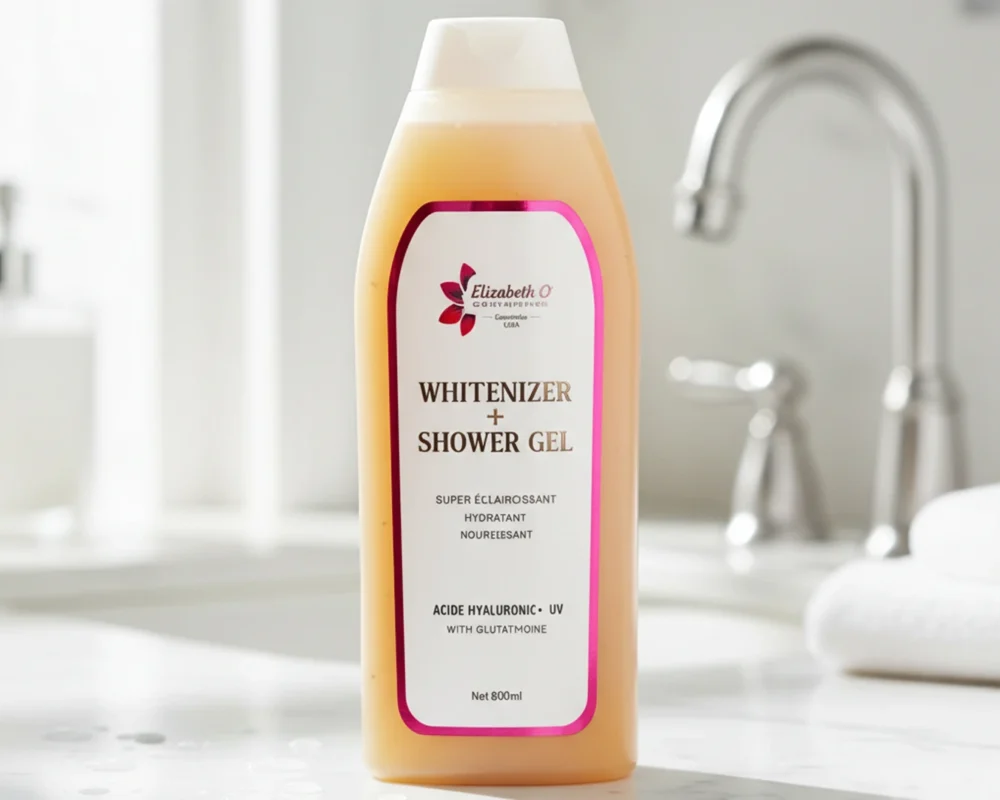
Glutathione and Hyaluronic acid in Whitenizers shower gels brightens up your skin while providing deep hydration and nourishment.
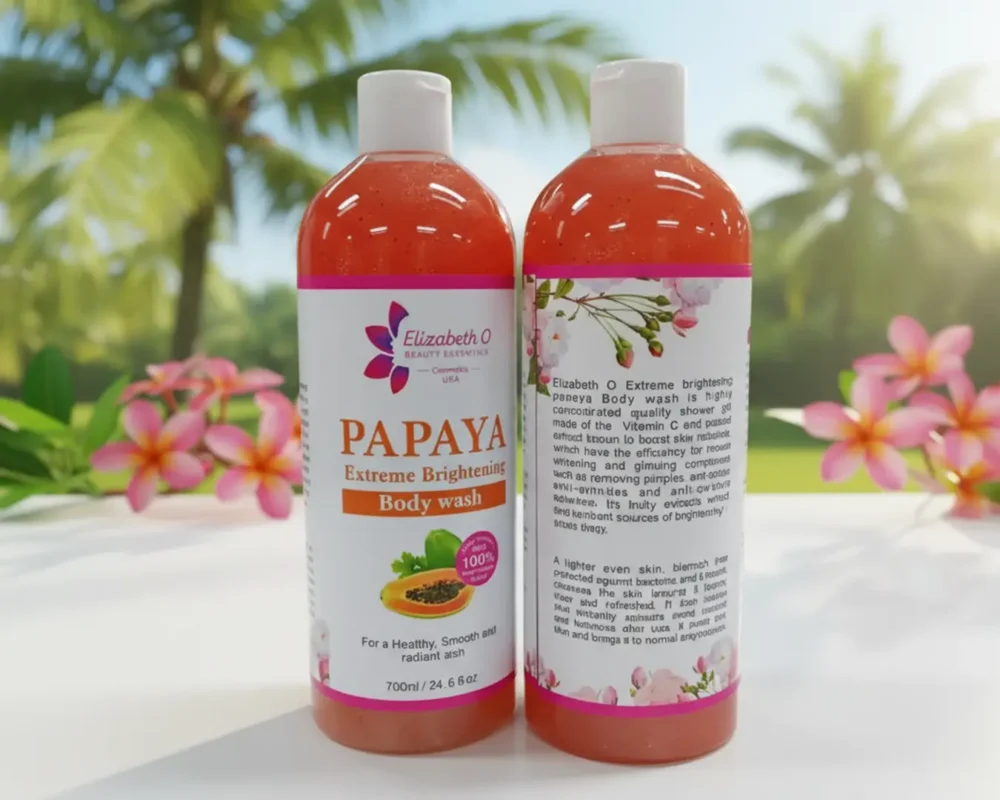
Our papaya body wash has natural enzymes that dissolves dead skin without stripping it and fades hyperpigmentation while providing an adequate hydration to your skin.
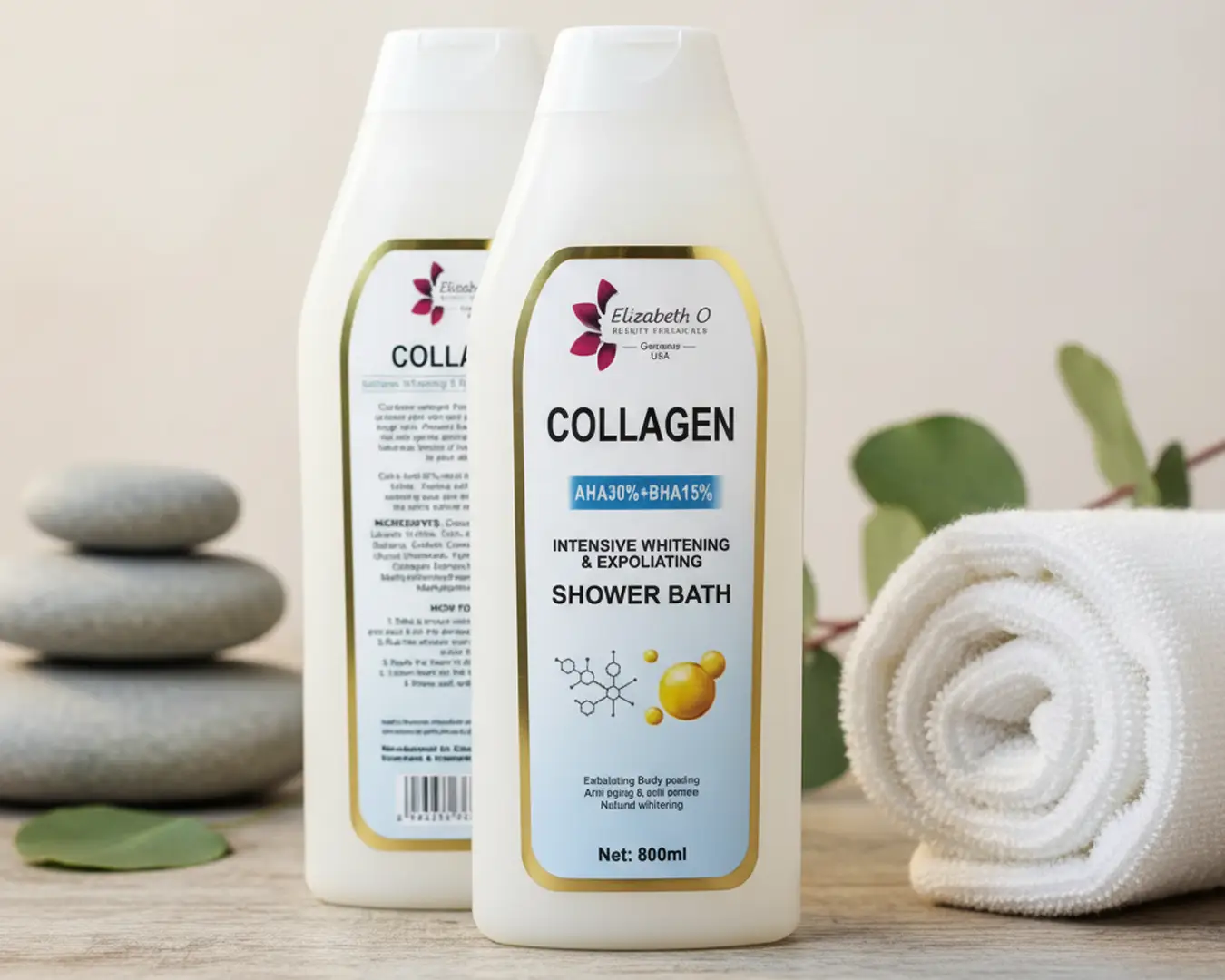
Want to give your skin a radiant boost and elasticity? The shower gel in our collection has brightening, hydrating, and exfoliating properties.
Soap Bars
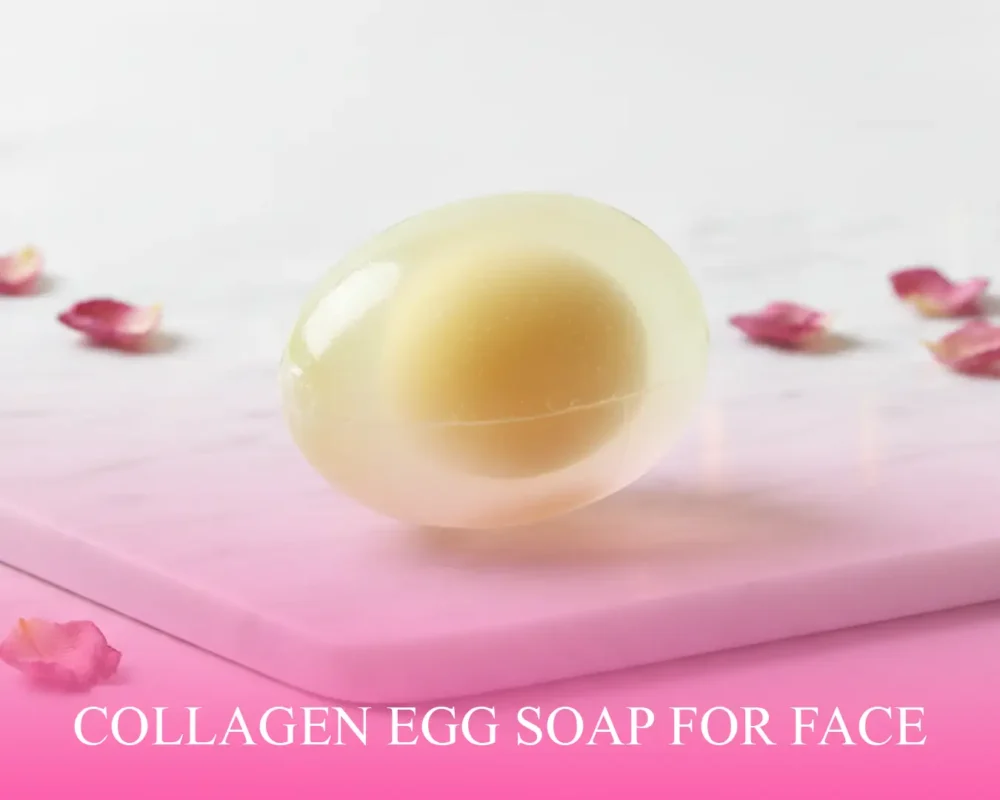
Our egg soap moisturizes the face, clears acne, brightens and tightens pores, improves skin elasticity, and leaves the skin smooth and supple for a youthful complexion.
If you want hydration and brightening for your face and body, Elizabeth o Beauty’s skin like milk soap ensures that your skin is smoother, brighter, and healthier without causing any dryness.

Searching for a cleansing solution that removes dark spots and blemishes while plumping your natural skin? Our skin blemish soap is what you need.
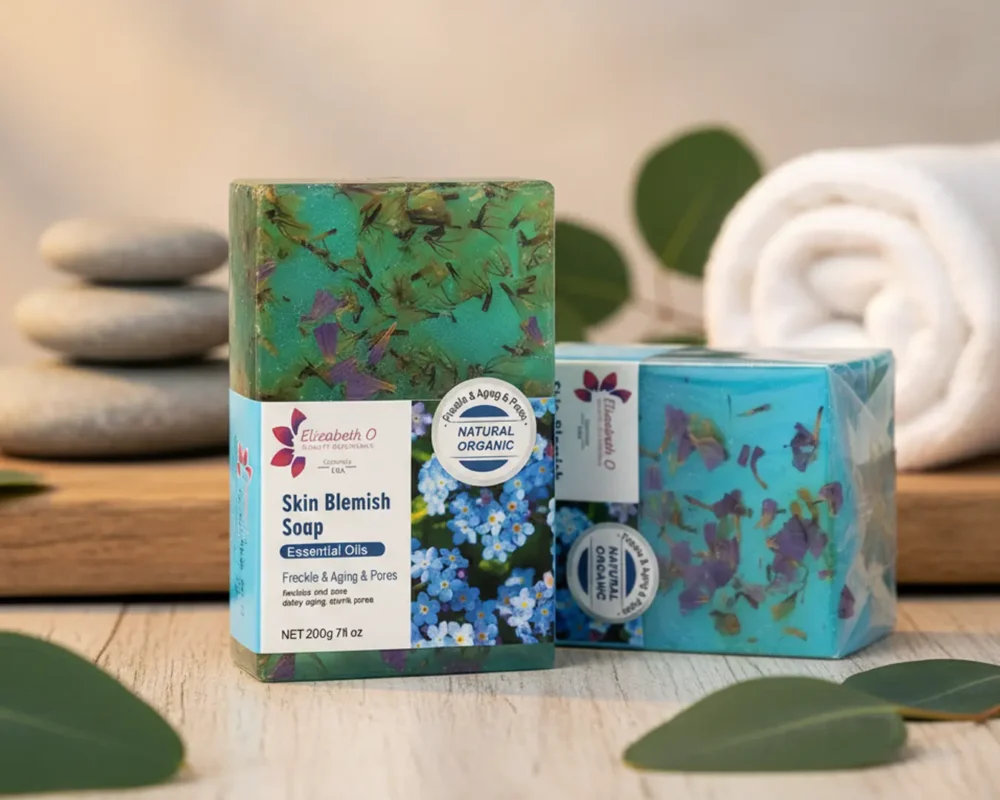
Environmental factors also matter. Recyclable soap packaging, the absence of microbeads, and reduced plastic usage make bar soap a sustainable choice for many households.
Can You Use Both? Smart Routine
Using both soap and shower gel can be a practical approach when done thoughtfully.
Morning vs Night
Morning cleansing can be lighter, using a gentle shower gel to refresh the skin. Evening showers can include bar soap on areas that accumulate more oil or sweat. Adding gentle exfoliation once or twice a week can help keep the skin smooth and prevent buildup, especially if you understand how to choose the right body scrub for your skin type and routine.
Seasonal changes also matter. Colder months often call for hydrating shower gels, while warmer climates may allow for more frequent bar soap use.
Seasonal Switching
Seasonal changes also matter. Colder months often call for hydrating shower gels, while warmer climates may allow for more frequent bar soap use.
Face vs Body Use
Face and body skin have different needs. Facial skin should always use a dedicated facial cleanser, while body skin can rotate between formats.
After cleansing, follow with Elizabeth o Beauty’s hydrating lotions or body oils to seal in moisture. For those building a complete routine, our curated supersets help streamline product selection.
Environmental Considerations: Shower Gel vs Bar Soap
It is very important to consider the environmental impact of what you consume and buy, including cleansers.
Bar soap is typically more eco-friendly. It requires less water to manufacture, lasts longer with regular use, and produces far less plastic waste than body wash bottles. Many households go through multiple shower gel plastic bottles a year, while a single bar can last weeks longer when used correctly
Common Cleansing Mistakes to Avoid
Your skin is delicate and being rough and careless about it can cost your radiance and a lot of dermatologist visits.
Here are some of the common mistakes you need to avoid while cleansing your skin:
- Do not over-cleanse to avoid stripping skin barrier and worsening dryness and hyperpigmentation.
- Using harsh soaps with strong antibacterial agents like triclosan.
- Cleansers having parabens, which have raised endocrine concerns
- Using products labeled parfum. They cause skin sensitivity, even without visible redness.
- Skipping moisturization after cleansing is one of the biggest mistakes.
Final Verdict
The best cleanser depends on your skin type, routine, and the season, not trends or marketing. Bar soap can be a practical choice for oily or combination skin, particularly when you want stronger cleansing, lower cost per use, longevity, or less packaging. Shower gel or body wash may be a better fit for dry, sensitive, or barrier-compromised skin, especially when the formula contains hydrating ingredients and is designed to minimize moisture loss.
There is no need to choose one format permanently. You can switch between bar soap and shower gel as your skin’s needs change, using a more cleansing formula when needed and a gentler, hydrating option when your skin feels dry or tight. What matters most is the formula, its ingredients, and how your skin responds to it.
Elizebeth o Beaoty approaches cleansing as part of a balanced skincare routine rather than a one-size-fits-all choice. With the right cleanser and supportive moisturization, you can keep your skin clean, comfortable, and hydrated year-round.
Frequently Asked Questions
Is it healthier to use bar soap or body wash?
Bar soap suits oily or sweat-prone skin, while body wash is often better for dry or sensitive skin. Health depends on formulation and proper moisturization.
Do dermatologists recommend bar soap or body wash?
Dermatologists recommend both, depending on skin needs. Gentle, fragrance-free options in either format are commonly advised for sensitive or compromised skin.
Sensitive skin conditions, eczema, psoriasis, and atopic dermatitis among them, typically do better with body wash, largely because fragrance-free, hypoallergenic, ceramide-based formulas show up more often in liquid than solid form.
Do you use shower gel?
Many people use shower gel for daily cleansing because it is gentle and hydrating. It is especially common among those with dry or combination skin.
What are the disadvantages of bar soap?
Some bar soaps have a higher pH that can disrupt the skin barrier. Poor storage can also lead to residue buildup if the soap does not dry properly.
Should I use both bar soap and body wash?
Yes, using both can be beneficial. Bar soap can target oilier areas, while body wash maintains hydration on drier skin.
Is it better to use body wash instead of soap?
Body wash is often better for dry or sensitive skin due to its lower pH and moisturizing ingredients. Soap can still be effective for specific needs.
What is the healthiest body soap to use?
A gentle, fragrance-free cleanser with added humectants and no harsh antibacterial agents. Ingredient quality matters more than format.