
Blog
List of Essential Oils and Their Uses

Sep
Most herbal medicine enthusiasts have been using essential oils to boost immunity and solve diverse skin, health, and wellness issues. These essential oils aren’t new to the medical and beauty industry, as they have been around for centuries and are used by humanity as a cure for diseases and to boost vitality.
Nowadays, essential oils are getting popular among the new generation due to their effectiveness, affordability, and benefits without any side effects. Hence, they have become a mainstream product for healthy and beauty enthusiast Gen Z.
Due to its surging popularity, many young adults want to use essential oils but get confused about what to buy and how to use them. If you find yourself in the same predicament, then this blog is for you. We have the best essential oils list available in the market with their uses, so let’s get started.
What are Essential Oils
Essential oils are the direct product of plant material. Hence, it is included in the herbal medicine label. However, the manufacturing of such oils isn’t an easy or inexpensive job. It is extracted from a tremendous amount of plant material. This is also the main reason behind its pricey price tag.
To give you a clear idea, here’s an example of lavender essential oil. To extract merely a pound of lavender essential oil, you require about 250 pounds of lavender flowers. Similarly, to get 1 pound of rose essential oil, you need to get your hands on 5000 pounds of rose petals.
Essential Oils Benefits
- Essential oils are mainly used by people as aromatherapy oils to boost vitality and improve the user’s skin and health simultaneously.
- It can be used as an aroma oil for hair growth.
- Essential oils can effectively boost users’ moods.
- They can be used for natural remedies with oils to relax your mind and reduce stress at work, leading to improved job performance and attentiveness.
- These essential oils can be used to cultivate good sleep and relax your subconscious.
- They are highly effective as essential oils for wellness in killing bacteria, viruses, and fungi.
- Essential oils are proven to be highly effective for reducing inflammation, nausea, and headaches.
Best Essential Oils and Their Uses
Here are some of the most list of essential oils and their health benefits in 2025.
Lavender Essential Oil
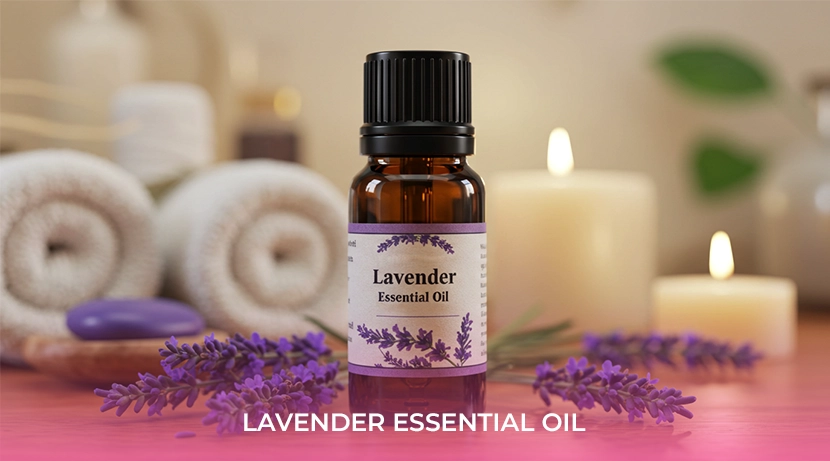
For budget-conscious aromatherapy, Lavender oil is one of the most versatile essential oils in the beauty and wellness industry. This natural oil is the go-to oil for many people with hectic routines. You can reap the benefits of lavender essential oil in many ways:
- Add the oil to the bath water.
- Use it for aromatherapy with the help of an essential oil diffuser.
- Add it to water and use it as a room or body spritzer.
- Make body oil by combining it with a base oil.
Uses:
- Lavender oil helps to reduce stress and pain.
- It is also known as a relaxation potion for a good night’s sleep.
Tea Tree Essential Oil
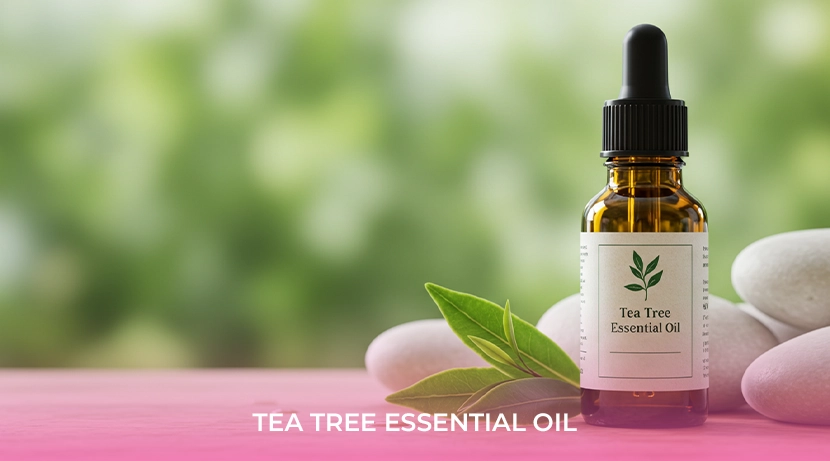
Tea tree oil is known as a natural antiseptic. Many people use it as an antimicrobial and an antifungal solution.
Uses
- It is highly effective for curing skin issues like acne.
- It is evidently used to cure athlete’s foot and ringworms.
- Tea Tree essential oil guide for acne: Apply it directly to the acne with a cotton swab. This is the only exception where you are not required to dilute it with a carrier oil.
- For athlete’s foot and ringworm, you need to dilute the oil with a base/carrier oil before applying it to the affected area of the skin. You can mix it with jojoba oil, vegetable oil, or any base oil available.
Caution: We do not recommend using it as a diffuser oil in homes with small children and pets.
Frankincense Essential Oil
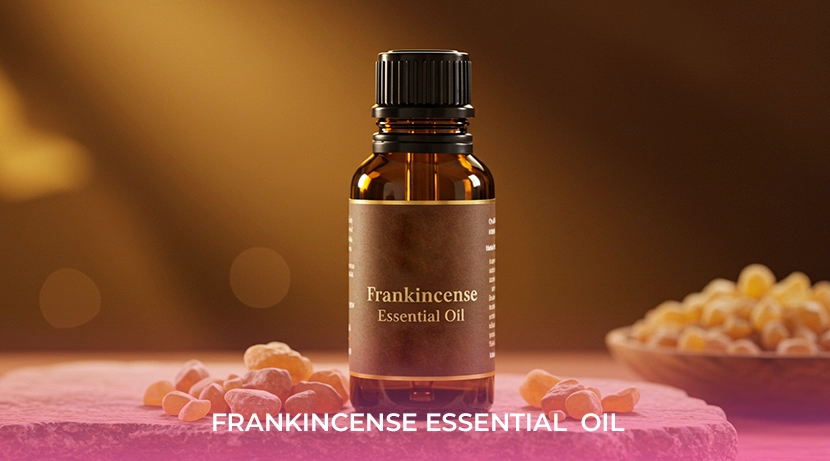
Frankincense oil is also popularly referred to as the king of oils. This is due to the versatile benefits it provides to its users. It comes with a woody yet spicy scent and is mainly used for aromatherapy. It is also one of the few oils that are commonly found in many skin-related creams in the beauty industry.
Uses:
- Frankincense oil is used to cure inflammation, boost mood, and get a good night’s sleep.
- Studies show that this oil is also beneficial for improving asthma and might stop gum disease.
- They are used to vitalize the skin; however, you must dilute them with a carrier oil before applying them.
Peppermint Essential Oil
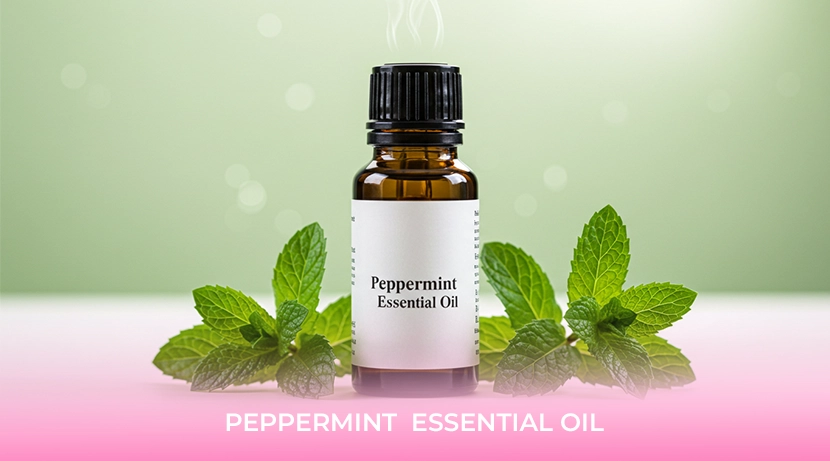
Peppermint essential oils can be considered a heavy-duty essential oil for mood and sleep. They come with a plethora of perks and are used for treating diverse issues and boosting vitality, beauty, and health.
Uses:
- Peppermint essential oil is anti-inflammatory.
- It can help to ease headaches and fatigue.
- It revitalizes your mood and helps you relax better.
- It is used to support memory and digestion.
- It is also noted to be effective for reducing gut spasm.
Eucalyptus Essential Oil
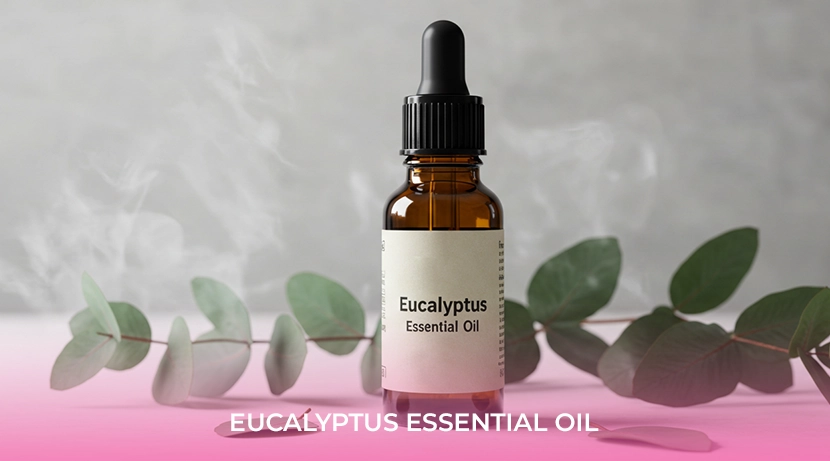
Eucalyptus oil is most popular as a smoothing agent for colds and the discomfort that comes with them. It is a great essential oil to have for people living in old areas.
Uses:
- Eucalyptus oil is used to soothe stuffed noses as it can effectively open up the nasal passages of cold patients.
- It is used to relieve pain and combat the herpes simplex virus.
Caution: Refrain from using it directly as it is not recommended; always remember to dilute before using.
Lemon Essential Oil
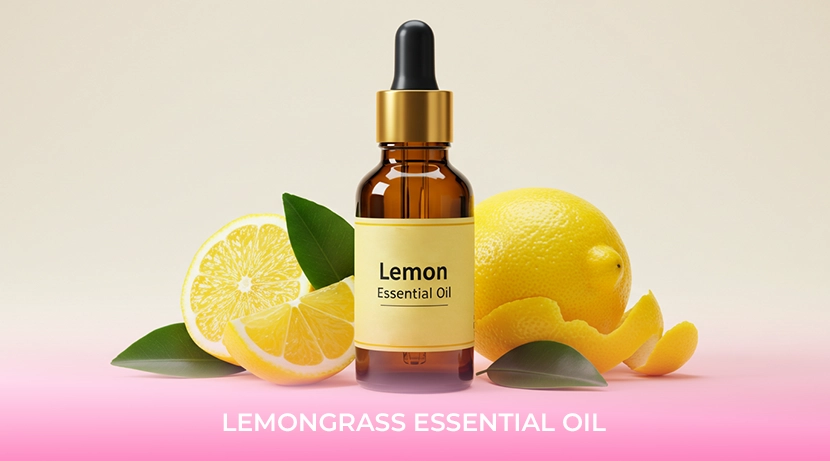
Just as the name suggests, it is extracted from lemon peels. This type of oil is most used with an essential oil diffuser. The users commonly diffuse lemon oil into the air. However, you can also apply it to your skin after diluting it, of course.
Uses:
- Lemon oil is used to reduce anxiety and depression.
- It is used to get relief from pain and ease nausea.
- It is also a common fix to get rid of bacteria.
Lemongrass Essential Oil
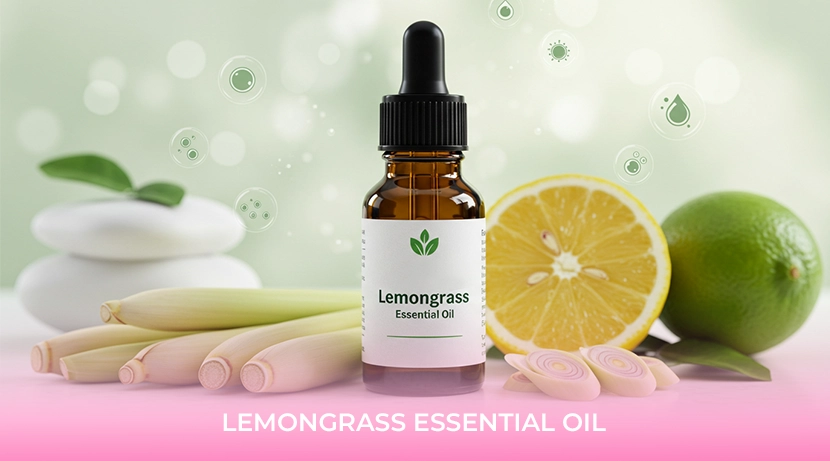
This essential oil comes with a strong smell of citrus. Lemongrass essential oil also comes with antibacterial properties, like many of the essential oils.
Uses:
- Lemongrass essential oil is used to foster relaxation and reduce general stress.
- It is the most popular natural remedy for healing wounds and killing bacteria.
- It can be used to avoid ringworm and athlete’s foot, as it can actively prevent the growth of the responsible bacteria.
Conclusion
This marks the end of the list of the most popular essential oils in the market. Hopefully, this will help you find the correct type of essential oil that fits your needs. At this point, we’d like to emphasize the fact that you need to dilute all essential oils except for tea tree, as it is the only exception on the list. You combine it with a base oil or a carrier oil before using it.
When used correctly, these essential oils can do wonders for your skin. If you are still confused about what to choose, you can always opt for products packed with essential oils. If that’s the route you choose, then we’d like to recommend Elizabeth O Beauty. We have products packed with essential oils. Making your skin look radiant and flawless. From aroma oil for hair growth, whitening essential oils, to repair oils, we have it all!
Frequently Asked Questions
Can I put some essential oils on my pillow for a good night’s sleep?
Yes, you can. Essential oils are known to boost sleep and offer a relaxing night. You can just spray the lavender oil on your pillow like a normal mist; no extra step is needed.
What are the top 10 best essential oils?
There are hundreds of different types of essential oils available in the market, but the most sought-after essential oils are Lavender, Tea Tree, Peppermint, Lemon, Eucalyptus, Rosemary, Cinnamon, Clary Sage, Geranium, and, lastly, Ylang Ylang essential oil.
Can one apply essential oils directly to the skin?
Technically, yes, you can apply the oils to your skin, but not “directly”. Most users inhale the essential oils; however, if you still want to put it on your skin, then you need to dilute it first with some carrier oil and then apply it.
Can everyone use these essential oils?
Unfortunately, no, while most of the population is eligible to use such oils, people with respiratory conditions are not recommended to use them. If you are a patient with respiratory issues like asthma and COPD, also known a chronic obstructive pulmonary disease, then please refrain from using such oils.
Where can I not put the essential oils?
You can put the essential oils on your skin by diluting them with a base/carrier oil; however, there are still some parts of the body where it is not allowed. Such places are inside the nose: the eyes, the mouth, or the private parts.

