-
×
 Lush Skin Anti-Aging Bundle - 5 pieces
1 ×
Lush Skin Anti-Aging Bundle - 5 pieces
1 ×$130.00$110.50
Blog
Kojic Acid vs. Glutathione for Winter Skin Brightening: Which One Truly Works?

17
Dec
Dec
Winter gets harsh, and that means our delicate skin has to take the harshness. And cherry on top, the coldness, indoor heating, reduced humidity, and less sun exposure can leave skin looking even more dull, dry, uneven, and tired. That is why we need to use skincare products that can fight against those. Among those are kojic acid and glutathione. But in the fight of Kojic acid vs glutathione, which is better for winter skin brightening?
Most of the queries come from the netizens who are confused between:
- Kojic Acid and Glutathione Soap
- Kojic Acid and Glutathione Cream
- Glutathione and Kojic Acid Serum
And guess what? When it comes to skin brightening in winter, you’re not alone. This blog breaks down every aspect of glutathione and kojic acid in simple, honest language, so you can choose what actually works for your skin.
Why Your Skin Needs Extra Brightening Care in the Winters
Your skin behaves differently in different seasons. In winter, your skin barrier tends to weaken faster, cell turnover slows down, and pigmentation often becomes more visible.
Common winter skin concerns that US citizens have include:
- Dull and ashy complexion
- Uneven skin tone
- Dark spots and hyperpigmentation
- Acne marks linger longer
- Dryness that makes pigmentation look worse
That’s where targeted brightening ingredients like kojic acid and glutathione show their wonders.
For a complete approach, check out our article on treatment of hyperpigmentation on dark skin for dermatologist-approved tips and routines.
Skin Brightening Does Not Mean Bleaching
Before we compare any winter skin brightening ingredients, we want to clear something important. Skin brightening is not about bleaching your skin and calling it a day.
It’s about reducing excessive melanin and evening out your skin tone. Brightening your skin also means that you restore your natural glow and correct all the damage that has been caused by the sun, pollution, and inflammation. And most importantly, it’s about doing the work, adding brightening serums in your skincare routine, and waiting patiently for the results.
When it comes to ingredients, both kojic acid and glutathione work on melanin, but in very different ways.
What Is Kojic Acid?
Kojic acid is a natural compound derived from fermented rice and certain fungi. Asians have used Kojic acid for winter skin for decades as a part of their skincare. It is, indeed, one of the most researched ingredients in dermalabs for skin lightening and restoring your natural glow.
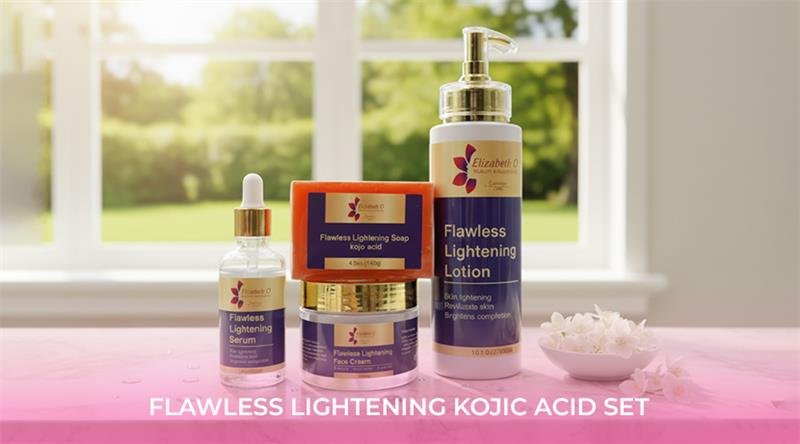
Does Kojic Acid Make Skin Whiter?
Well, no. Kojic acid does not change your natural skin color. Think of it as spot-correcting and tone-balancing, not bleaching.
Kojic acid skin brightening works by:
- Inhibiting tyrosinase, which is an enzyme that produces melanin.
- Fading dark spots, acne marks, melasma, and freckles
- Improving uneven skin tone
Benefits of Kojic Acid in Winter
- Targets hyperpigmentation fast
- Brightens dull winter skin
- Works well in soaps, serums, and creams
- Helps with post-acne marks
- Ideal for oily, acne-prone, and combination skin
Products like kojic acid skin whitening serum, kojic acid with glutathione soap, and Kojic acid sets are especially popular in colder months.
What Is Glutathione?
Glutathione for winter skin is a powerful antioxidant naturally produced by the body. In skincare, it helps neutralize free radicals and gradually shifts melanin production toward lighter pigments. Unlike kojic acid, Glutathione skin brightening works systemically and gently.

How Long Does Glutathione Take to Lighten Skin?
Topical Glutathione for dull skin usually shows results in 2 to 4 weeks for glow improvement. For visibly bright skin, 6 to 12 weeks. It works faster when used consistently in serums, creams, and soaps.
It’s slower than kojic acid but is sure far gentler and can be used as one of the best skin brightening ingredients in winter if used in a Glutathione Body Lotion and Soap Set.
Benefits of Glutathione in Winter
- Improves overall skin radiance
- Helps repair environmental damage
- Supports anti-aging and elasticity
- Ideal for dry, sensitive, mature skin
- Strengthens the skin barrier
This is why Elizabeth O Beauty Serums often combine glutathione with hydrating and barrier-repair ingredients.
Kojic Acid vs Glutathione: Side-by-Side Comparison
| Features | Kojic Acid | Glutathione |
| Result Speed | Faster | Gradual |
| Best for | Dark spots and acne marks | Overall glow and repair |
| Skin Type | Oily and acne-prone skin | Dry, sensitive, and mature skin |
| Winter Suitability | Moderate | Excellent |
| Anti-Aging | Limited | Strong |
| Risk of Irritation | Higher if overused | Very low |
Kojic Acid vs Glutathione: Which One Is Better?
Want the honest answer for Kojic acid vs glutathione for skin brightening? Well, it depends on your skin goal.
- Choose kojic acid if:
- You have stubborn dark spots
- Acne marks are your main concern
- Your skin tolerates actives well
- Choose glutathione if:
- Your skin is dry, dull, or sensitive
- You want even glow, not spot correction
- Anti-aging is a priority
“For winter skin, pairing glutathione with kojic acid gives the best balance of correction and repair without compromising the skin barrier.”
Licensed Aesthetic Consultant, USA
Can I Use Kojic Acid and Glutathione Together?
Absolutely. When formulated correctly, Kojic Acid and Glutathione benefits complement each other beautifully.
Why they work well together:
- Kojic acid targets existing pigmentation
- Glutathione prevents new pigmentation and repairs skin
- Together, they offer faster yet balanced brightening
This is why Kojic Acid and Glutathione Soap benefits are often superior to single-ingredient products.
Best Way to Use Kojic Acid & Glutathione Together
The sequence that dermatologists prefer is Soap + Serum + Cream Method
Morning
- Cleanse with Kojic Acid and Glutathione Soap
- Apply a Glutathione and Kojic Acid Serum
- Follow with moisturizer + sunscreen
Night
- Gentle cleanse
- Apply Kojic Acid and Glutathione Cream
- Seal with a nourishing moisturizer
This layered approach is ideal during winter.
Which Skin Types Benefit Most?
- For Dry Skin: Glutathione creams & serums. Avoid overusing kojic acid soaps
- For Acne-Prone Skin: Kojic acid soap + lightweight glutathione serum
- For Sensitive Skin: Low-strength kojic acid + glutathione-based products.
- For Mature Skin: Glutathione-forward formulas with peptides and oils
Final Thoughts: Which Should You Choose?
If winter dullness, uneven tone, or pigmentation is holding your skin back, you don’t have to choose just one. The smartest approach is combining both ingredients through well-formulated products like Elizabeth O Beauty Face Creams and Serums, which are designed for long-term skin health, not quick fixes.
Bright skin in winter isn’t about harsh treatments. It’s about repair, consistency, and balance. Your glow doesn’t disappear in winter; it just needs the right care to shine again.
Frequently Asked Questions
Which is better for skin whitening, glutathione or kojic acid?
Kojic acid is better for targeted spots, while glutathione is better for overall glow and repair.
Why am I getting darker after using kojic acid?
Overuse, lack of sunscreen, or skin barrier damage can cause rebound pigmentation.
What cannot be paired with kojic acid?
Avoid mixing with strong retinol, benzoyl peroxide, or high-strength exfoliating acids at the same time.

