
Blog
Moisturizer for Combination Skin: Buying Guide
Jan
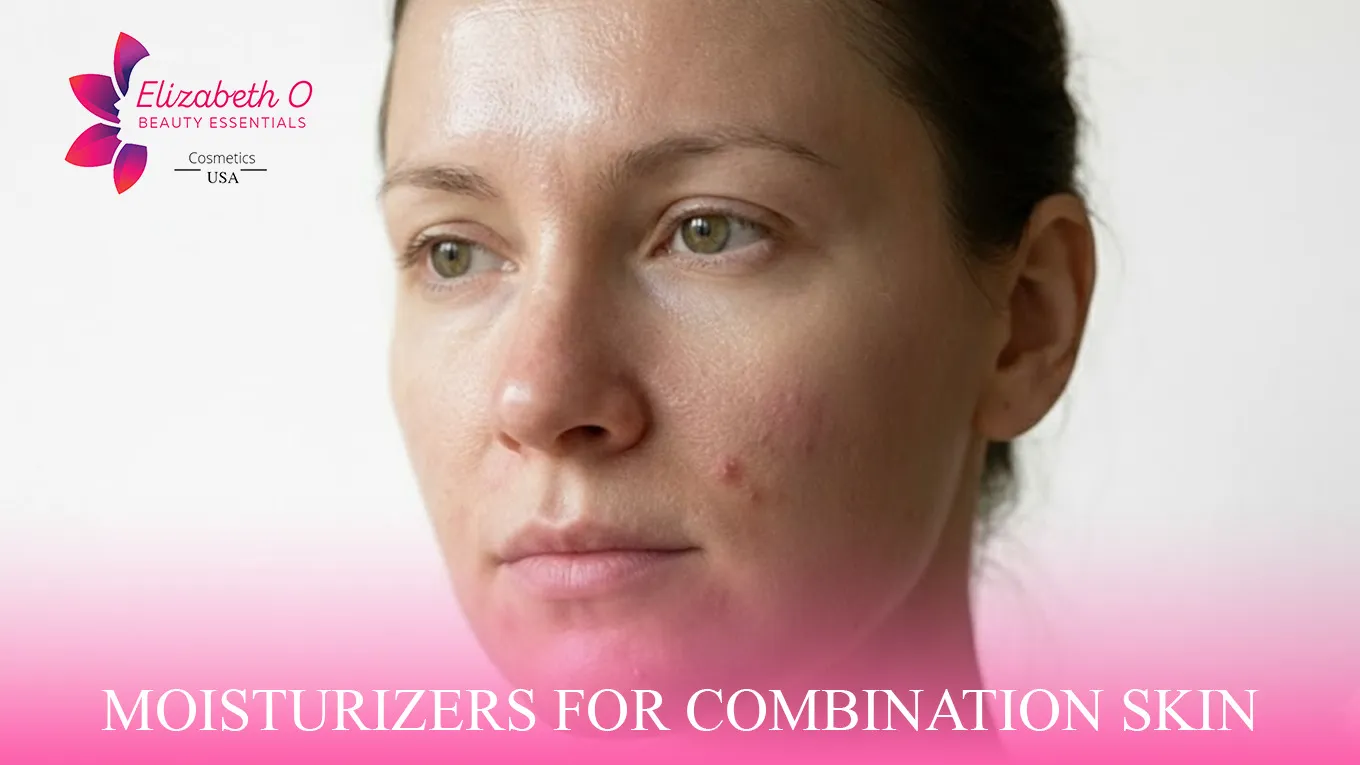
If your forehead and T-zone feel slick by midday while your cheeks pull tight and flake, you’re dealing with one of skincare’s most misunderstood conditions known as “Combination skin”. It doesn’t respond well to one-size-fits-all moisturizers, and for those with mixed-heritage or darker skin tones, the stakes are higher. Dehydration shows up as ashiness, while over-moisturizing can trigger post-inflammatory hyperpigmentation from clogged pores.
The right moisturizer for combination skin recognizes that your sebaceous glands produce oil unevenly across your face. Oily zones still need hydration (just not occlusion), and dry areas require barrier repair without heavy emollients that migrate into pores. It doesn’t try to do the same thing everywhere.
This guide walks through the treatments of combination skin, role of sebaceous glands, ingredient behavior, and practical skincare routines that make moisturizing combination skin more precise and less frustrating.
You will also find Elizabeth O Beauty’s recommended moisturizers for combination skin below.
Understanding Combination Skin for Effective Moisturizing
Combination skin isn’t simply “oily in some places, dry in others.” It’s a manifestation of regionally variable sebum production paired with compromised water retention in areas where lipid activity is lower. Your T-zone, which is the forehead, nose, and chin, has a higher concentration of sebaceous glands. These areas produce sebum efficiently, sometimes excessively, creating that familiar midday shine.
Meanwhile, your cheeks and perimeter zones have fewer active oil glands. Without adequate lipid coverage, transepidermal water loss (TEWL) accelerates in these regions, leaving skin feeling tight, rough, or visibly dehydrated. The result? A face that behaves like two different skin types at once.
Dr. Zoe Draelos has studied how ceramides (the lipid molecules that cement skin cells together) become depleted unevenly in combination skin types. Her research shows that
When the stratum corneum loses structural integrity in drier zones, it can’t retain moisture effectively, even if you’re applying humectants.
This explains why some moisturizers feel hydrating initially but fail to hold that moisture through the day.
Signs Your Skin Needs a Targeted Moisturizer
Look beyond the obvious shine. Combination skin reveals itself through:
- T-zone behavior: Enlarged pores, frequent congestion, makeup that slides off by afternoon
- Cheek and temple response: Tightness after cleansing, visible flaking, foundation that clings to dry patches
- Inconsistent product absorption: Serums that sit on oily areas but disappear instantly on dry zones
- Reactive sensitivity: Irritation from active ingredients in dry areas, breakouts from rich creams in the T-zone
If you’re constantly adjusting your routine based on which part of your face is acting up, you need a moisturizer approach designed for regional variation.
Moisturizer Needs for Acne-Prone or Sensitive Areas
Here’s where combination skin gets misunderstood. Oil congestion and dehydration often coexist in the same face, sometimes in the same zone. An oily T-zone can still be dehydrated if you’re stripping it with harsh cleansers or skipping hydration out of fear of breakouts.
Dehydrated oily skin produces more sebum as a compensatory response, creating a cycle that worsens congestion. Meanwhile, over-moisturizing dry areas with occlusives that are too heavy can lead to closed comedones, especially along the jawline, where products tend to accumulate.
For melanin-rich skin, post-inflammatory hyperpigmentation from even minor breakouts means the cost of getting your moisturizer wrong is visible for months. Non-comedogenic formulations aren’t optional. Moisturizer for combination skin is essential for preventing the kind of low-grade inflammation that triggers pigment changes.
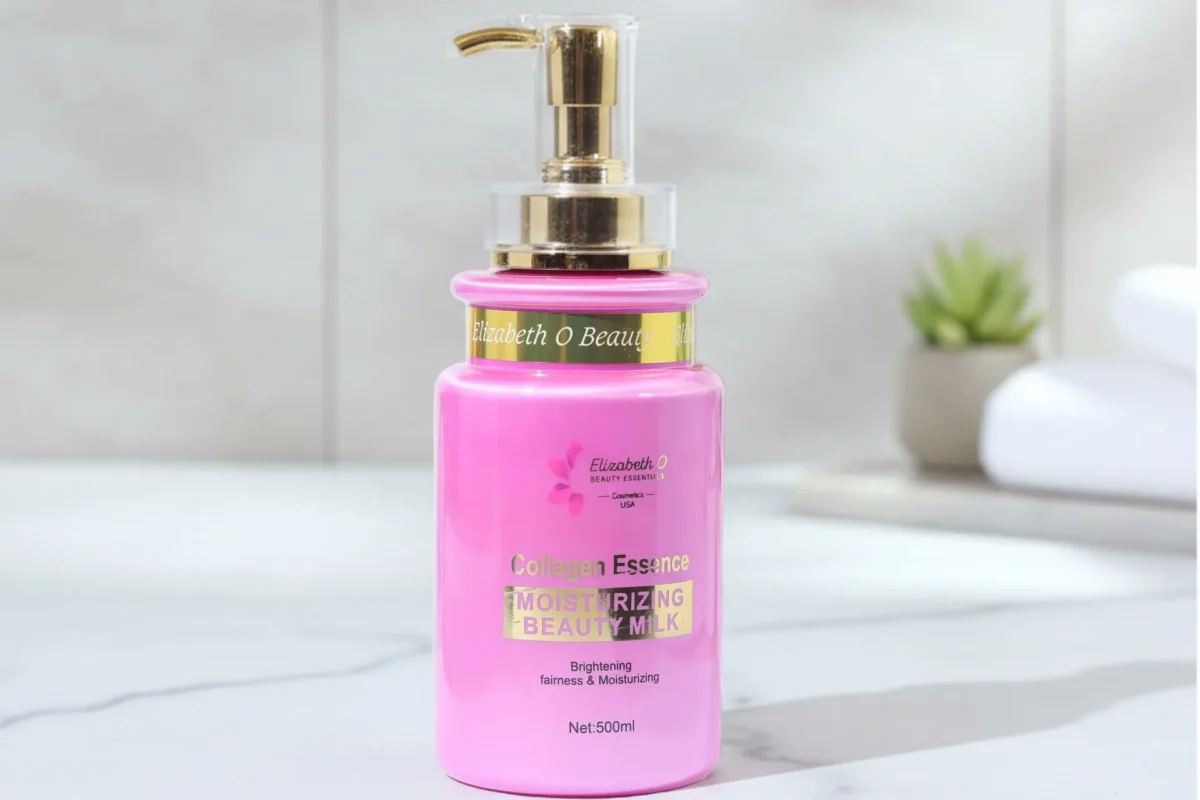
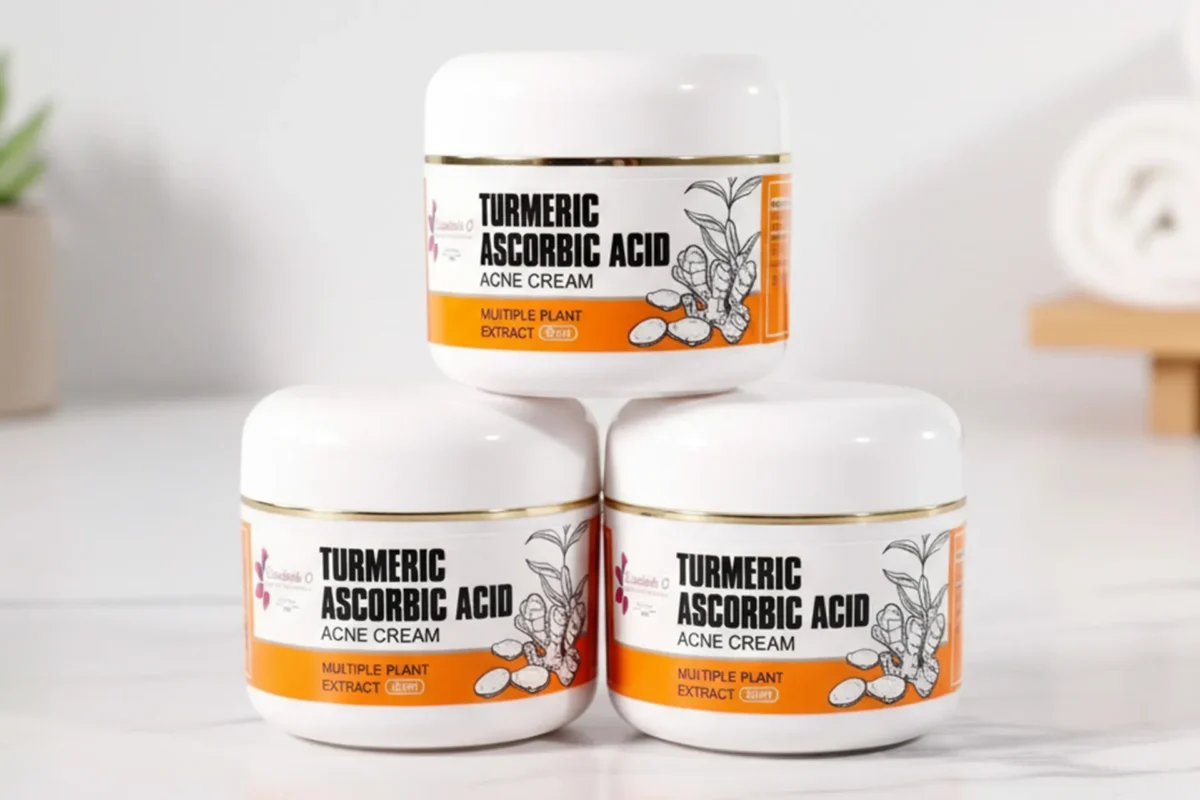
We recommend Collagen Essence Moisturizing Lotion for combination skin and Acne Cream with Turmeric Ascorbic Acid for treating acne-prone skin and fighting against skin acne scars and dark spots.
Collagen Essence Moisturizing Beauty Milk
Collagen Essence Moisturizing Beauty Milk is an ideal daily moisturizer for combination skin, delivering long-lasting hydration without clogging pores. Formulated with Collagen, Glutathione, and Vitamin E, it supports skin repair, helps soften the appearance of post-acne marks, making it a smart choice for those looking to buy a lightweight yet effective face and body moisturizing lotion.
Turmeric Ascorbic Acid Acne Cream (Pack of 3)
Turmeric Ascorbic Acid Acne Cream targets active breakouts and post-inflammatory hyperpigmentation with anti-inflammatory turmeric and brightening ascorbic acid. Its focused treatment helps calm congestion, reduce acne-related marks, and prevent new blemishes without over-drying sensitive or acne-prone areas.
How Skin Changes Affect Moisturizer Choice
Your combination skin isn’t static. Sebum production fluctuates with temperature, humidity, hormonal shifts, and age. In summer or humid climates, your T-zone may become genuinely oily while cheeks stay balanced. In winter, even your forehead can feel tight as cold air and indoor heating disrupt barrier function across your entire face.
As you age, sebaceous gland activity naturally declines. Many people with lifelong combination skin find that their T-zone becomes less problematic in their 30s and 40s, while dryness spreads. Dr. Draelos notes that barrier repair becomes increasingly important with age, as ceramide synthesis slows and recovery from environmental damage takes longer.
Environmental factors matter too. Urban pollution, hard water, and air conditioning all accelerate TEWL, tipping combination skin toward dryness. Your moisturizer needs to adapt.
How to Hydrate Combination Skin Correctly Using Moisturizer
Hydration and moisturization aren’t the same thing, and combination skin needs both, just applied differently across zones. Many routines work best when you start with targeted treatments like the right serums for combination skin before sealing everything in with a balanced moisturizer.
Oily areas require water-based hydration without heavy occlusion. Humectants like hyaluronic acid, glycerin, and beta-glucan pull moisture into the skin, but if you seal them with rich emollients in the T-zone, you risk clogging pores. Lightweight gel textures or fluid body lotions provide hydration and a minimal occlusive layer that won’t trap sebum.
Dry areas need both humectants and barrier-repairing lipids (ceramides, fatty acids, cholesterol) to prevent water loss. This is where layering logic becomes essential.
Morning vs Evening Layering Routine
Morning routines for combination skin should prioritize mattifying hydration in the T-zone. A gel-based or oil-free moisturizer containing niacinamide helps regulate sebum while hydrating, and it sits well under makeup. On cheeks, you can layer a slightly richer lotion or add a few drops of lightweight facial oil (like squalane) before sunscreen.
Evening routines allow for heavier barrier repair.
Dr. Irene M. Gladney’s research on non-comedogenic formulations for acne-prone skin highlights that
Occlusives applied at night (when you’re not producing makeup-melting sebum or moving your face constantly) are less likely to cause congestion, even in oily zones.
This is when you can use a slightly richer moisturizer across your entire face, or apply a ceramide-focused cream only to dry areas while keeping the T-zone lighter.
What Destabilizes Balance
Stop doing these things:
- Using the same heavy moisturizer everywhere because “skin needs moisture.”
- Over-cleansing oily zones, which triggers rebound sebum production
- Skipping moisturizer on your T-zone entirely
- Applying oils directly to active breakouts or congested pores
Choosing the Right Moisturizer
The best moisturizer for combination skin isn’t about finding one perfect product; it’s about selecting formulas that respect regional differences.
Texture matters more than marketing claims. Gel moisturizers work beautifully in oily zones because they deliver humectants without occlusive heaviness. Lotions, true lotions, not thick creams marketed as lotions, provide a middle ground suitable for year-round use across most of your face. Face Creams belong on persistently dry areas or as cold-weather support.
Dr. Jeanine B. Downie, whose work focuses on pigmentation-safe hydration for darker skin tones, emphasizes that
Combination skin on melanin-rich complexions benefits from formulas containing licorice root extract, niacinamide, or alpha arbutin.
These ingredients hydrate while addressing the uneven tone that often develops when combination skin isn’t managed carefully. Her research shows that layering lightweight, antioxidant-rich hydrators under barrier creams prevents the dullness and ashiness that dehydration causes on deeper skin tones.
Oil-free doesn’t mean moisture-free.
Many excellent moisturizers for combination skin contain lightweight oils like squalane or jojoba that mimic sebum without clogging pores. The term “oil-free” is often code for silicone-heavy formulas, which some skin types tolerate well, and others find suffocating.
Look for these ingredients in your moisturizer for combination skin:
- Hyaluronic acid (multiple molecular weights for layered hydration)
- Niacinamide (sebum regulation, barrier support, brightening)
- Ceramides (NP, AP, EOP for barrier repair)
- Glycerin (a humectant that works across all zones)
- Beta-glucan (soothes and hydrates without weight)
Avoid:
- Heavy occlusives (petrolatum, lanolin) in T-zone formulas
- Coconut oil and other comedogenic oils
- Fragrance and essential oils, especially if you have sensitivity
Moisturizers Recommended by Elizabeth O Beauty
Elizabeth O Beauty formulates with combination skin, and specifically combination skin on darker tones, as a primary consideration. Their approach centers on barrier-first hydration that doesn’t compromise clarity or worsen oiliness. For a broader look at the best face moisturizers for all skin types, check out our detailed guide on Dermatologist Recommended Best Face Moisturizers to help you find the perfect match for your skin in 2026.
For Oily T-zone Areas
Gel-based moisturizers containing niacinamide and hyaluronic acid provide hydration without congestion. These work well under makeup and won’t migrate into pores during the day. Dermatologist-referenced formulations often include zinc PCA or sebum-regulating peptides that address oil production at the source rather than just blotting the surface.
Budget-Conscious Choices
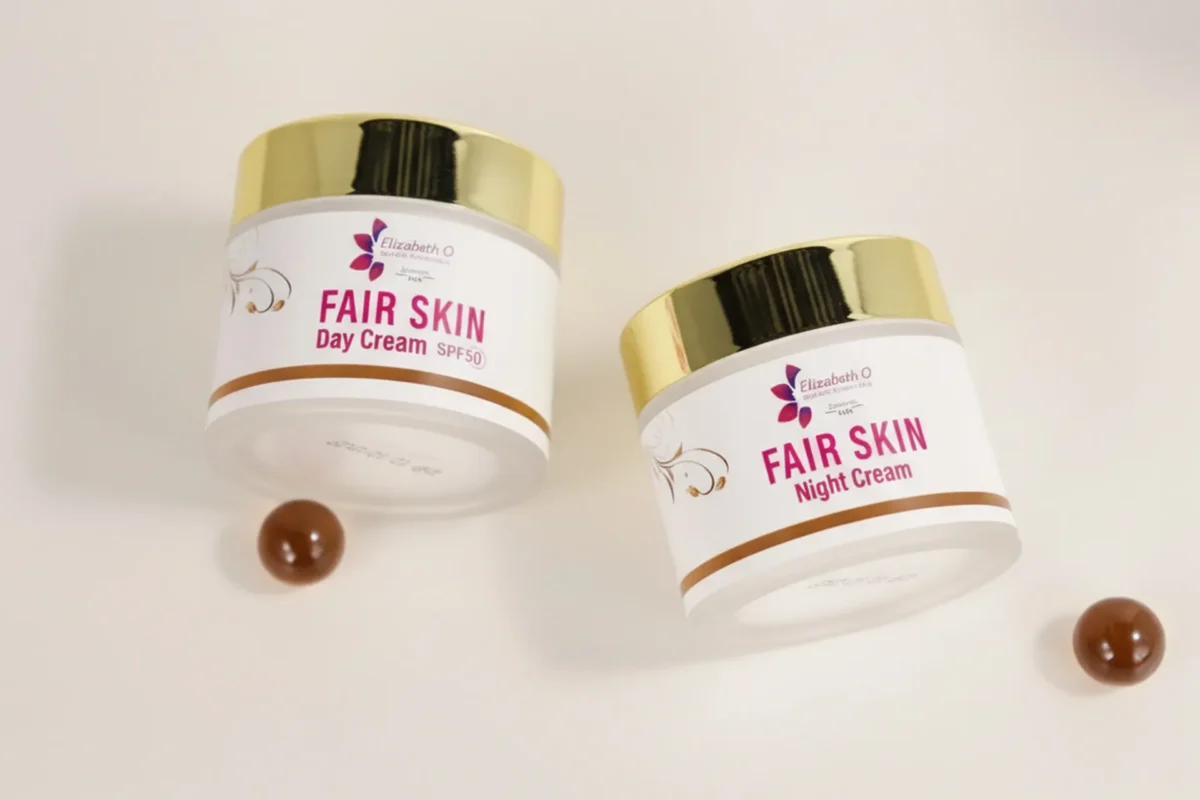
Day & Night Face Cream should still meet non-comedogenic standards. Look for simple ingredient lists centered on proven humectants and lightweight emollients. You don’t need exotic botanical extracts; you need formulation integrity and appropriate texture.
Luxury Formulations
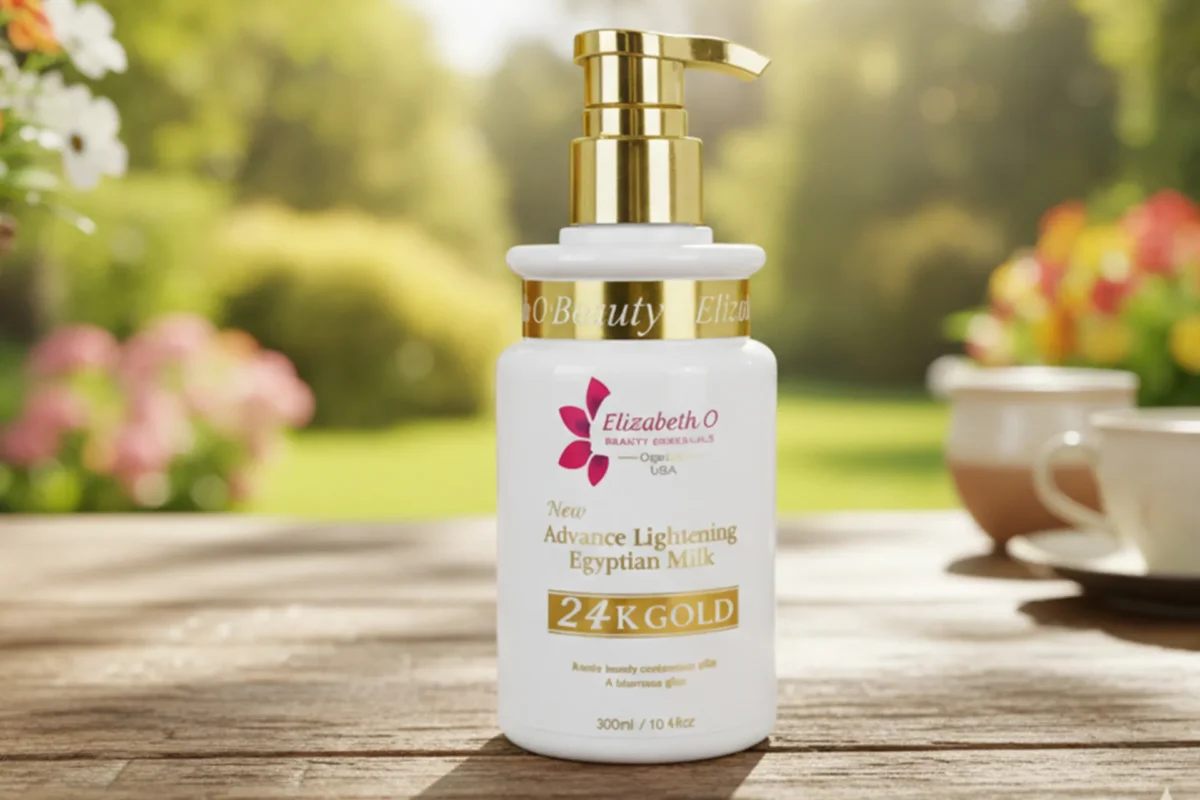
Earn their price point when they combine advanced delivery systems, like Niacinamide Retinol Cream & 24k Gold Advance Lightening Egyptian Milk with elegant textures that layer seamlessly. For combination skin, luxury often means better sensory experience and more refined control over where and how ingredients deposit.
Moisturizing Routine Tips
Application Order
Application order matters. After cleansing, apply hydrating toners or essences while skin is still damp; this maximizes humectant absorption. Then layer your lightest moisturizer in the T-zone, and a slightly richer formula on the cheeks. If using facial oils, add them after water-based products but before occlusives.
Seasonal Adjustments
Seasonal adjustments prevent your routine from working against you. In summer, you might use a gel moisturizer across your entire face and skip additional layers in the T-zone. In winter, even your forehead may tolerate a lotion, while cheeks might need a ceramide cream at night.
Common Mistakes
Common mistakes include rubbing products into skin aggressively (which stimulates oil production), applying too much product at once (it just sits on the surface), and forgetting that your neck and chest have combination tendencies too.
Conclusion
Treating combination skin effectively means rejecting the idea that one moisturizer should do everything everywhere. Your skin has regionally distinct needs, and the most successful routines acknowledge that with targeted formulation choices.
Focus on hydration across your entire face, just delivered through different textures and ingredient concentrations. Use research-backed actives like niacinamide and ceramides that support barrier function without triggering congestion. And remember that your skin will shift with seasons, age, and environment, so the best routine is the one you’re willing to adjust thoughtfully.
Elizabeth O Beauty’s formulation philosophy starts with this reality: combination skin deserves precision, not compromise.
Frequently Asked Questions
What is the best moisturizer for combination skin?
The best moisturizer for combination skin is typically a lightweight lotion or gel containing hyaluronic acid, niacinamide, and non-comedogenic emollients. Many people with combination skin use two products, a mattifying gel for the T-zone and a richer lotion for dry areas, rather than trying to find one formula that does everything.
Should people with an oily T-zone still use moisturizer?
Yes, oily skin still needs hydration. Skipping moisturizer signals your skin to produce more sebum as a compensatory response, worsening the oil imbalance. Choose lightweight, oil-free formulas that hydrate without adding heaviness or occlusiveness to already oily areas.
How does combination skin differ on darker skin tones?
On melanin-rich skin, combination skin imbalances often show up as ashiness in dry zones and post-inflammatory hyperpigmentation in oily, acne-prone areas. Dehydration is more visible, and the wrong moisturizer can trigger inflammation that leads to lasting dark spots, making non-comedogenic, barrier-supportive formulations especially important.
Can one moisturizer work year-round for combination skin?
Most combination skin types need seasonal adjustments. A gel moisturizer that works perfectly in summer may leave cheeks tight in winter, while a lotion that feels balanced in cold weather might be too heavy during humid months. Many people keep two formulas on hand and adjust their routine as the weather changes.

